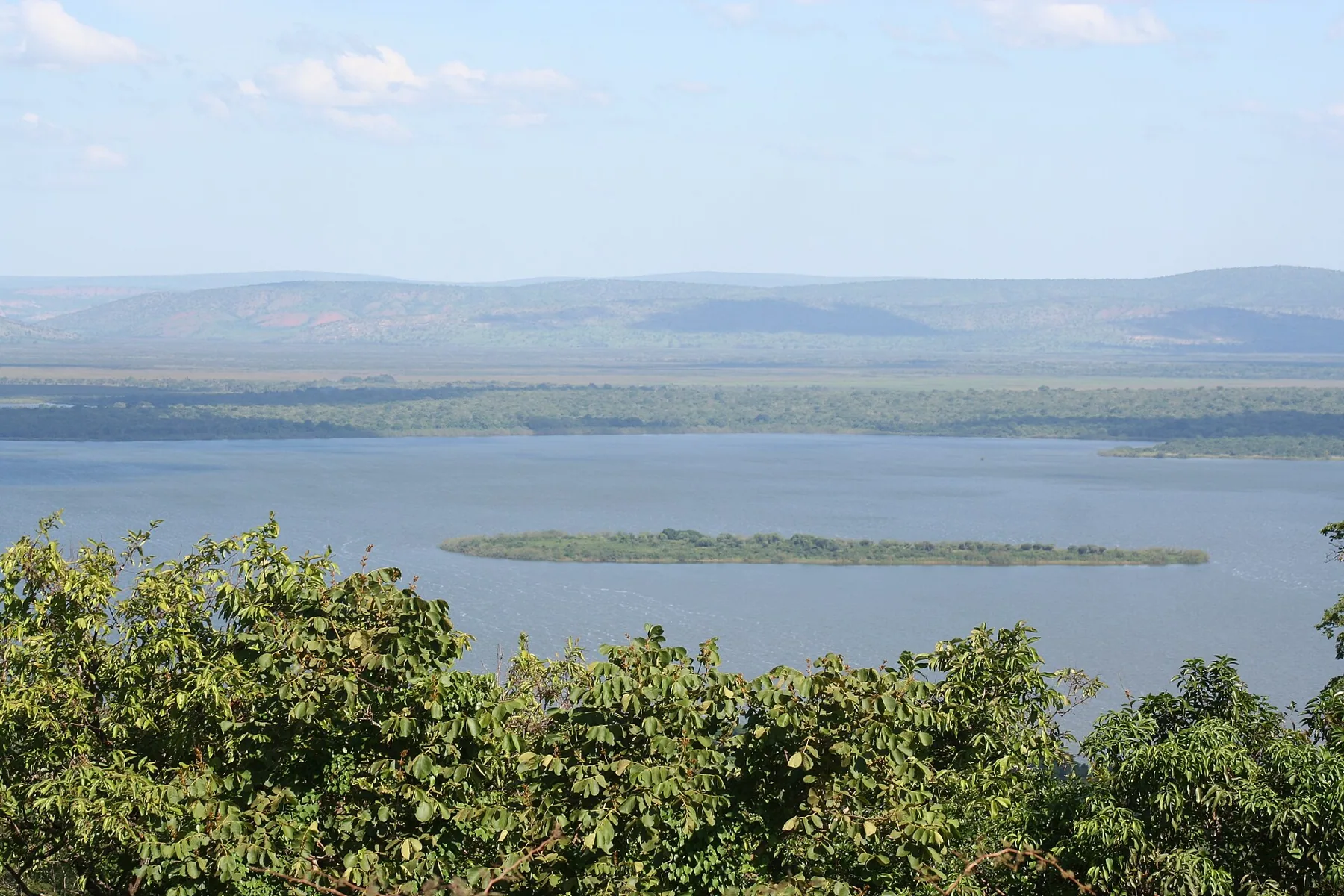
 Photo: John Cooke · CC BY 2.0 · resized for web
Lake Ihema
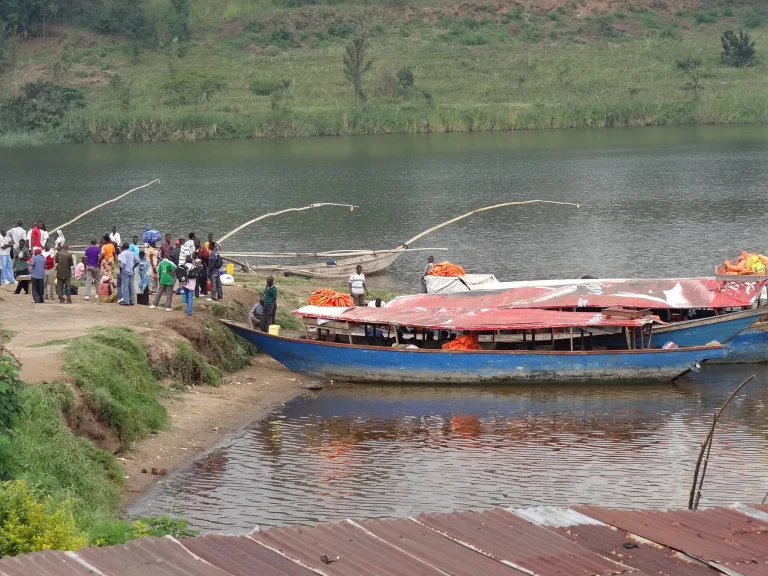
A wetland lake within Akagera National Park, best known for boat safaris among papyrus edges, hippos, crocodiles and waterbirds. The value of the excursion is the change in perspective from vehicle to water and the chance to understand Akagera as…
Why go
A wetland lake within Akagera National Park, best known for boat safaris among papyrus edges, hippos, crocodiles and waterbirds. The value of the excursion is the change in perspective from vehicle to water and the chance to understand Akagera as a wetland system, not only a savannah park.
At a Glance
Destination type: Wetland lake and boat-safari landscape inside Akagera National Park. Suggested time: Lake Ihema is usually an activity within a 2–3 night Akagera stay rather than a separate overnight destination. Best for: Safari travellers wanting a different perspective, birders, photographers, families, repeat safari guests and travellers who enjoy quieter wildlife observation.
Why This Place Matters
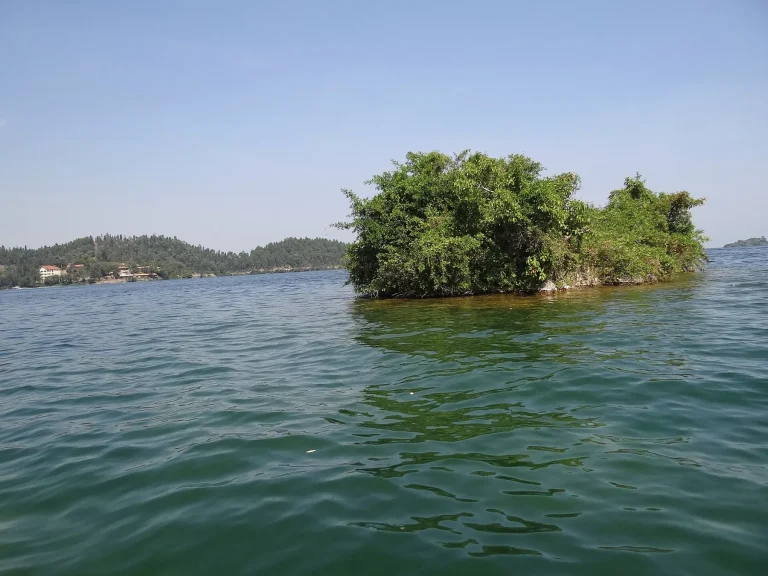
Lake Ihema is where Akagera changes scale. After hours of viewing the park through windscreen and open savannah, the lake brings the traveller down to water level among papyrus, wooded shorelines, small bays and broad reflections of the eastern Rwandan sky.
Hippos, Nile crocodiles and an exceptional variety of waterbirds are the most conspicuous wildlife, while elephant, buffalo and antelope may approach the margins. The ecological story is the connection between the lake and Akagera’s wider chain of wetlands, which supports a richer safari than the park’s grasslands alone suggest.
Access, Timing & Suggested Stay
The lake is reached from the southern/central Akagera lodge and activity zone. Boat departures are scheduled and should be reserved in advance, with the exact timing confirmed against park operations and the wider game-drive plan.
Lake Ihema is usually an activity within a 2–3 night Akagera stay rather than a separate overnight destination.
Who Will Enjoy It Most
Safari travellers wanting a different perspective, birders, photographers, families, repeat safari guests and travellers who enjoy quieter wildlife observation.
Seasonality & Conditions
Boat safaris can be rewarding in every season. Light, bird activity, water levels and rainfall change the mood of the lake; morning and later-afternoon departures are particularly attractive for softer light and wildlife activity.
How It Fits into an Elohim Journey
The strongest combinations are Akagera’s northern plains, Kigali and, on longer Rwanda circuits, Nyungwe, Lake Kivu and Volcanoes National Park. The route should minimise unnecessary backtracking and leave enough time for the defining experience rather than compressing the stop into a transfer day.
What combines well with Lake Ihema?
Akagera’s northern plains, Kigali and, on longer Rwanda circuits, Nyungwe, Lake Kivu and Volcanoes National Park.
A closer look
The lake changes the pace of an Akagera visit. From a vehicle, the park is read through roads, grassland and woodland; from the water, papyrus margins and open channels bring wetland life to the foreground. Hippos and waterbirds may be seen, but their movements are never scheduled. The value of a boat outing lies as much in the view back toward the shore as in any single sighting. It gives travellers a second perspective on a protected area that is much more varied than a simple savannah label suggests.
A lake excursion works well after a land-based drive because the two activities reward different kinds of attention. On the water, watch the changes in reeds, reflections and bird activity; on land, look for larger mammals and the transitions between open plains and thicket. Light and weather alter both experiences. The local operator sets the route, boat capacity and departure time, so these details belong in the confirmed itinerary. Guests interested in birds or photography can tell the guide early, allowing observation time without turning the outing into a rushed checklist.
Make the most of the visit
Lake Ihema is best understood as part of Akagera rather than a separate destination with fixed wildlife promises. A land drive can reveal open grassland and woodland, while a boat outing keeps attention on water, reeds and shoreline. The shift in viewpoint helps explain why the park supports a range of habitats. Take time to look at bird behaviour and the shape of the banks, even when larger animals remain out of sight.
A boat plan depends on park operations, available seats and weather. Travellers should confirm the departure point and duration through the operator rather than assuming that any lakeside stop includes a cruise. Sun, wind and reflection can be intense on the water; a hat, secure camera strap and suitable lens are useful. Follow the captain’s instructions and keep a respectful distance from wildlife along the shore.
Explore nearby
These guides can help build a route with contrasting places and a sensible travel rhythm. The right combination depends on available time and local conditions.
Akagera National Park
Rwanda’s great savannah counterpoint: big game, wetlands, lakes and open country.
Kigali
A calm, contemporary capital that gives Rwanda context before the wilderness begins.
Lake Kivu
Rwanda’s inland sea: a restorative lakeside pause between rainforest and volcano country.
Responsible Travel Notes
Experiences at Lake Ihema should follow current protected-area, community or heritage-site rules. Wildlife must be given space, guides should never pressure animals for photographs, cultural encounters should create direct local benefit, and marine or forest activities should minimise physical impact. Fees, access rules and operating times are best confirmed during quotation because they can change.
Can every wildlife sighting or activity be guaranteed?
Wildlife movement, weather, sea or trail conditions and local operating rules can change. The itinerary should protect enough flexibility to deliver the strongest experience available on the day rather than promise a specific natural event.
Balancing the lake and savannah
Lake Ihema introduces the wetland side of Akagera. The park’s visitor information places boat excursions among the activities available in the south, so it is useful to plan the lake visit before committing to a long drive elsewhere in the park. Confirm the meeting point and departure arrangements with the operator and leave a margin for reaching them.
During the outing, look beyond the largest animals to the shoreline vegetation and waterbirds. The different perspective can make familiar wildlife behaviour easier to understand. Remain seated or move only as directed by the crew, secure equipment and keep hands clear of the water. Families should discuss the boat and flotation equipment before booking. A lake excursion is particularly worthwhile when it gives the itinerary variety: pair it with time on land, then leave a pause to enjoy the setting instead of rushing straight into another timed activity.