 Photo: Joachim Huber · CC BY-SA 2.0 · resized for web
 Botswana
Botswana’s safari character is shaped by water, dryland and the movement between them. The Okavango Delta brings channels, islands and floodplains into a landscape that changes over the year. Chobe is known for its river setting, while the Makgadikgadi and…
At a glance
Useful facts for planning
In this guide
Why go
Discover Botswana
Botswana’s safari character is shaped by water, dryland and the movement between them. The Okavango Delta brings channels, islands and floodplains into a landscape that changes over the year. Chobe is known for its river setting, while the Makgadikgadi and Nxai pans offer open horizons and a very different sense of scale. An itinerary should explain these contrasts rather than present every stop as the same game drive.
Landscapes and experiences
Delta activities vary by concession, season and water level. A mokoro excursion, boat trip or walking experience is available only where local conditions and rules permit it. Wildlife sightings are never guaranteed, and a quiet passage through reeds can be as revealing as a large-mammal encounter. The location of a camp matters: two stays within the Delta may offer quite different habitats and activities.
Chobe can combine land and river perspectives. The river’s banks attract birds and mammals, but traffic and water conditions change the experience. A well-paced stay leaves time for a patient drive or cruise instead of promising a fixed animal checklist.
The salt pans are most rewarding when visitors understand their seasonal transformation. Dry surfaces, grass after rains, birdlife and distant horizons each offer different reasons to travel. Heat, weather and road conditions determine safe access; specialist local planning is essential for remote routes.
Planning the journey
Many Botswana journeys involve light aircraft or long overland transfers, with luggage and timing limits set by operators. Choose fewer camps with complementary habitats, confirm exactly which activities are included, and follow guides’ instructions around water and wildlife. The value of a trip often lies in the attentive, unhurried time spent in each place.
Understanding the Delta
The Okavango is an inland delta whose flood pulse creates channels, islands and seasonal floodplains. Water may arrive at a different time from local rain, so the activities at one camp can change through the year. A water-focused stay and a dryland stay within the Delta can complement each other, but only if the chosen concessions and operating dates support the planned experiences.
A mokoro is a quiet way to observe reeds, birds and the edges of islands. A guide’s route follows water depth, weather and local rules. It is not a substitute for a long game drive when a guest’s priority is large mammals, and it should never be sold as a guaranteed close encounter. The appeal lies in the slower scale and the skill of the local poler or guide.
Moremi Game Reserve and surrounding concessions offer different arrangements for access, guiding and accommodation. Travellers should ask which area a camp uses and what is included. A map helps explain why two camps with the same broad “Okavango” label can provide contrasting days.
River and pan country
Chobe’s riverfront is most distinctive when seen from both the bank and the water, subject to current permissions. Boat trips change the viewing angle and can make birdlife particularly engaging. On land, routes and vehicle traffic affect the pace. A longer stay allows a guide to work with light and conditions instead of squeezing the river into one hurried outing.
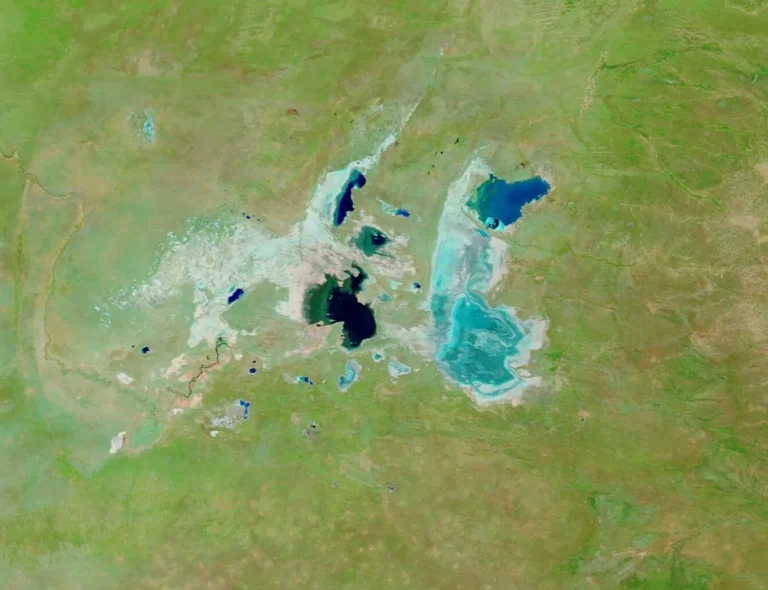
The Makgadikgadi and Nxai pans need seasonal expectations. Bare salt surfaces, grassland after rain and migrating animals are different expressions of the same broad region. Guides can explain the ecology and the practical limits of travel across exposed terrain. A photograph of a flooded pan should never stand in for a dry-season promise.
The Central Kalahari is a further dryland option for travellers who enjoy remoteness and wide landscapes. Access is demanding and depends on the chosen operator, vehicle and time of year. It belongs in a carefully paced itinerary with appropriate supplies and local knowledge rather than an improvised detour.
Planning with the seasons
Botswana’s safari costs and logistics vary greatly by camp and transport mode. Light-aircraft transfers have strict luggage limits; road links can take much longer than they appear on a map. Confirm the sequence of camps, transfer allowances and overnight time before selecting activities.
Water levels and wildlife distribution change. A sound plan names the habitats and experiences likely to be available at the selected camps, then keeps sightings open-ended. Combining one water-rich area with a river or pan landscape creates contrast without repeating the same photographs and activities at each stop.
Conservation and community partnerships differ across regions. Ask operators how guides, camp staff and neighbouring communities benefit from the trip. At water crossings or near large mammals, follow instructions immediately and never leave a vehicle or boat where the guide has not approved it.
Travel with a deeper sense of place
The country’s contrasting habitats reward a deliberate sequence. A first Delta camp might focus on permanent water and quieter channels, while a second area offers more dryland driving. A Chobe river stay then brings a broader waterway, and the pans make a final shift to open space. The point of combining them is variety, not the claim that one region is objectively best.
Camp location changes the daily rhythm. Some activities leave directly from camp; others need a transfer to a boat station or game-drive area. Ask how many hours are realistically spent exploring rather than in transit. A beautiful aerial arrival is part of the experience, but a one-night stay may leave too little time to understand the place below.
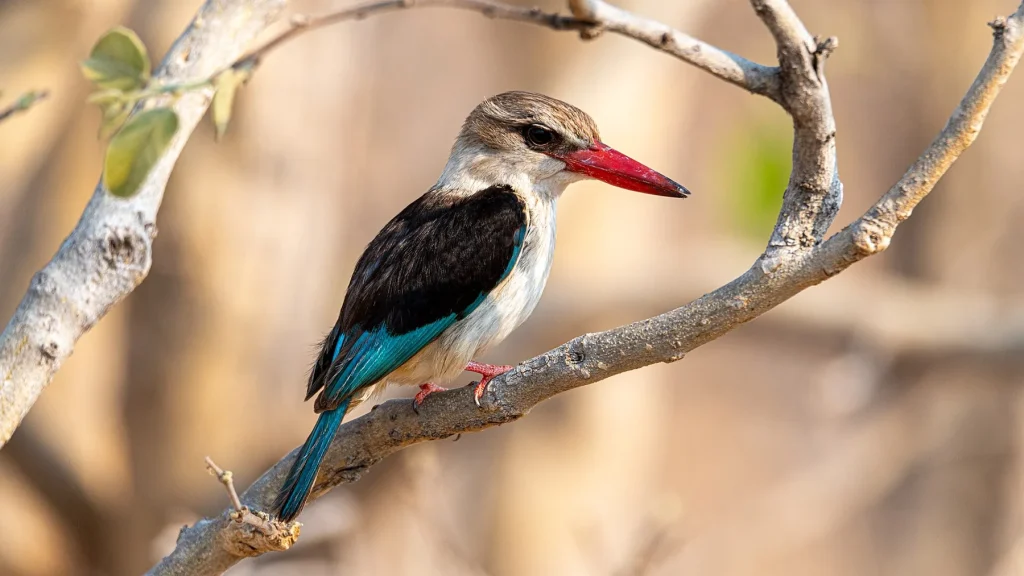
Birding can give a Botswana journey continuity across environments. Reedbeds, riverbanks, woodland and pan edges attract different species and behaviours. A guide can help a curious beginner notice these changes without turning the day into a specialist list. This focus remains rewarding when large animals are distant.
Responsible water travel calls for quiet observation. Boats and mokoros must be operated under local rules and conditions, with particular care near hippos and nesting birds. On land, follow the guide’s instructions about vehicle position and movement. The sense of wilderness is strongest when visitors accept its limits and leave animals space.
Gallery
A sense of place