 Photo: Dietmar Rabich · CC BY-SA 4.0 · resized for web
 South Africa
South Africa suits travellers who want to combine wildlife, cities, coast and wine or mountain scenery within one journey. The choice is broad, so the strongest route starts with a clear travel interest and realistic distances. A safari in the…
At a glance
Useful facts for planning
In this guide
Why go
Discover South Africa
South Africa suits travellers who want to combine wildlife, cities, coast and wine or mountain scenery within one journey. The choice is broad, so the strongest route starts with a clear travel interest and realistic distances. A safari in the northeast feels very different from a Cape Town and Garden Route journey; both can be combined when the itinerary allows time for the internal journey.
Landscapes and experiences
Kruger National Park and neighbouring reserves are major safari options, with wildlife viewing dependent on season, habitat and animal movement. A private reserve may have different guiding and access rules from the national park. Compare the actual activities, conservation setting and travel time rather than assuming all safari stays are equivalent.
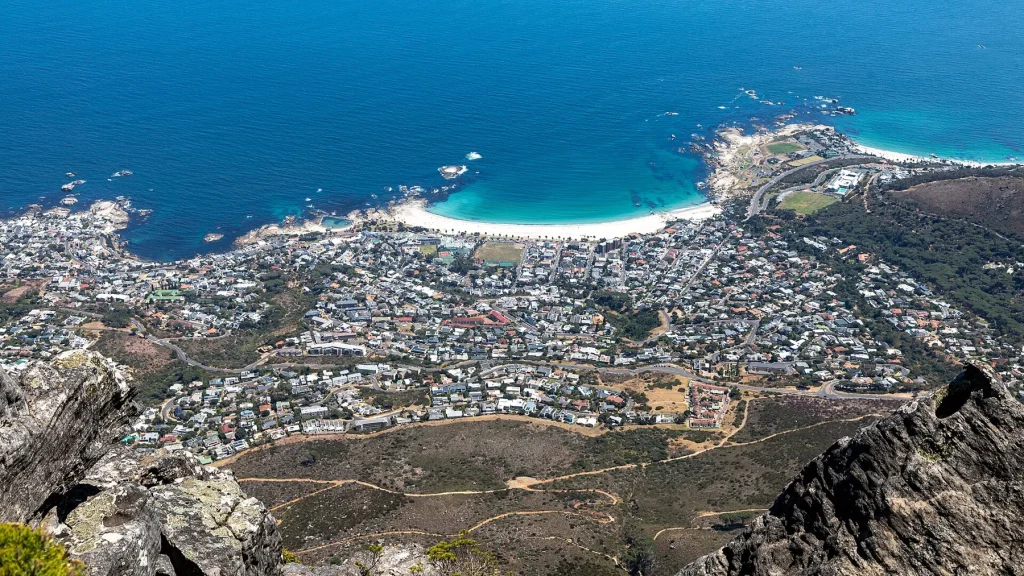
Cape Town brings Table Mountain, the peninsula, museums and neighbourhoods into the same landscape. Weather can affect mountain and marine activities, so keep a flexible day in the plan. The Cape Winelands are a slower cultural and food-focused extension, while the Garden Route links coastal towns, forests and outdoor activities across a substantial driving distance.
Johannesburg and Pretoria can add important historical and contemporary context. Heritage visits are strongest with thoughtful interpretation and sufficient time. For families or first-time visitors, combining a city stay with one safari region and one coast or mountain region often gives more depth than a cross-country sequence of overnight stops.
Planning the journey
Seasonal conditions differ markedly by region. Confirm park rules, guide arrangements and internal transport for the chosen dates. Respect wildlife distances, local communities and site-specific photography rules. Avoid treating any single famous landscape as a substitute for the country’s cultural variety.
Choosing a safari region
Kruger covers an immense area, so the gate, rest camp or lodge determines the character of a short visit. Southern sections can be more accessible from major transport links; other areas favour travellers with longer stays and a taste for quieter roads. Ask where drives actually take place and whether they cross a national park boundary or remain inside a private reserve.
The Eastern Cape is another safari option, especially for travellers pairing wildlife with the Garden Route. Its reserves have different landscapes, sizes and conservation models. The exact property and guiding programme matter more than a generic promise of the “Big Five.” Check what is realistically possible over the number of nights available, and leave wildlife sightings to chance and patient guiding.
Cape landscapes and city life
Cape Town is best explored in layers. Table Mountain can provide an orientation when weather allows, while the peninsula reveals beaches, cliffs and a coastline that changes character over a single day. Robben Island and the city’s museums bring necessary historical context. Book time for them deliberately; a scenic drive does not replace the interpretation of the people and places that shaped the city.
The Winelands around Stellenbosch and Franschhoek offer food, gardens and historic streets as well as wine. A guided tasting can suit travellers who do not want to drive. Across the Cape, businesses vary in approach to heritage, community and agriculture, so guests can choose experiences with local voices and a clear sense of place.
The Garden Route is a journey through a sequence of towns and protected landscapes, not a single viewpoint. Forest walks, estuaries, beaches and small cultural stops compete for time. Build in more than one base if travelling its full length, and check activity conditions before committing to boating, hiking or marine wildlife plans.
How to put the trip together
A first visit can work well with three chapters: an arrival city, a safari area and a coast or mountain stay. The order depends on flights, season and the interests of the group. Travellers who prefer depth can stay in fewer places and use local guides to explore them properly.
South Africa has several climate zones. Cape weather and the timing of wildlife viewing in the northeast should be assessed separately; there is no single “best month” for every part of a cross-country itinerary. Check daylight, road travel, school-holiday demand and current activity rules when choosing dates.
Public history is central to the journey. A township or community visit should be led by local partners with consent and clear benefit to residents. Photography rules belong to the people and institutions involved. The goal is a considered encounter, not a rapid collection of images.
Travel with a deeper sense of place
Wildlife travel can be enriched by paying attention to habitat, not simply animal names. A guide may explain how grass, trees, water and human land use influence what is seen. The same species can be encountered differently in a national park, a private reserve or a coastal protected area. The chosen safari setting should match the traveller’s interest in tracking, photography, walking or family activities.
For outdoor days, match the plan to conditions. Table Mountain routes can close or become unsafe in wind or cloud; coastal boat departures depend on sea state; long road days need daylight and rest stops. A flexible sequence is a practical advantage. It lets the guide place a weather-sensitive activity where it has the best chance of being enjoyable.
Travellers interested in South Africa’s history should allow time for more than a single landmark. Museums, memorials and locally led walks can explain how the past shapes present-day places. Questions deserve careful answers, and the people sharing their stories should control how they are represented. This depth sits comfortably beside scenery, food and safari rather than competing with them.
A route can be built around interests: families may favour fewer bases and easier drives; photographers may seek more time at dawn and dusk; walkers may spend longer in mountain or coastal parks. Tell the operator which experiences are essential and which are optional. That makes the itinerary a considered journey instead of a succession of famous names.
Gallery
A sense of place