 Photo: Happy Gentille · CC0 · resized for web
Rwanda
Rwanda’s compact geography makes it possible to combine several landscapes, but the best journeys still allow time to understand each one. Kigali can introduce the country’s present-day culture and difficult history. From the city, routes reach Volcanoes National Park in…
At a glance
Useful facts for planning
In this guide
Why go
Discover Rwanda
Rwanda’s compact geography makes it possible to combine several landscapes, but the best journeys still allow time to understand each one. Kigali can introduce the country’s present-day culture and difficult history. From the city, routes reach Volcanoes National Park in the northwest, Akagera in the east, and the forests of Nyungwe and Gishwati Mukura farther west and south.
Landscapes and experiences
Volcanoes National Park is closely associated with mountain-gorilla trekking. A permit, ranger briefing and suitable preparation are essential; the length and difficulty of a trek cannot be fixed in advance. Akagera offers a different landscape of lakes, wetlands and savannah. Lake Ihema can be experienced from the water under current park arrangements, complementing a land drive.
Nyungwe’s forest trails and primate experiences call for a slower pace and respect for weather and terrain. Gishwati Mukura adds another forest conservation story. Lake Kivu towns such as Rubavu and Karongi provide a pause between active days, with water activities determined by local safety advice and conditions.
The southern heritage route through Nyanza and Huye adds museums, royal history and cultural interpretation. It is valuable in its own right and also breaks a longer transfer toward Nyungwe. A locally guided visit can connect collections and buildings to living communities without turning them into a brief photo stop.
Planning the journey
Plan trekking permits, road transfers and accommodation together. Wildlife moves freely, and no sighting can be promised. Travellers should follow park and community guidance, ask before photographing people, and allow time to listen as well as to see.
Explore the destination guides
These guides help match the route to your interests, available time and the season. Each place has its own character and practical considerations.
Akagera National Park
Akagera reveals a side of Rwanda that surprises travellers who associate the country only with rainforests and gorillas. Along the eastern frontier, rolling savannah, woodland, papyrus wetlands and a chain of lakes create a classic safari landscape with a distinctly Rwandan character. The park is a mosaic rather than a single endless plain. Grasslands rise into wooded hills, marshes fill low-lying areas, and lakes form part of one of Central Africa’s most important wetland systems. This variety makes game drives visually dynamic and boat safaris especially rewarding.
Gishwati Mukura National Park
Nestled in the northwestern part of Rwanda, Gishwati Mukura National Park is a serene and lesser-known sanctuary renowned for its lush rainforests, rich biodiversity, and tranquil landscapes. Covering an area of approximately 34 square kilometres, the park is a recent addition to Rwanda’s network of protected areas, having been officially designated in 2016. As a hidden gem, Gishwati Mukura offers visitors a unique opportunity to explore pristine rainforests and engage with a variety of wildlife in a relatively undiscovered corner of the country. Gishwati Mukura National Park is characterized by its dense rainforests, rolling hills, and high-altitude wetlands. The park’s diverse landscapes provide a picturesque backdrop for wildlife observation and nature-based activities.
Karongi (Kibuye)
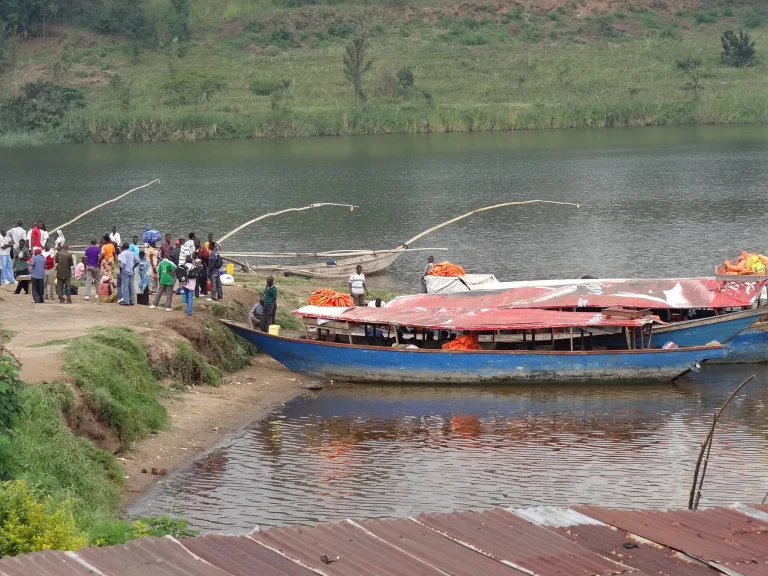
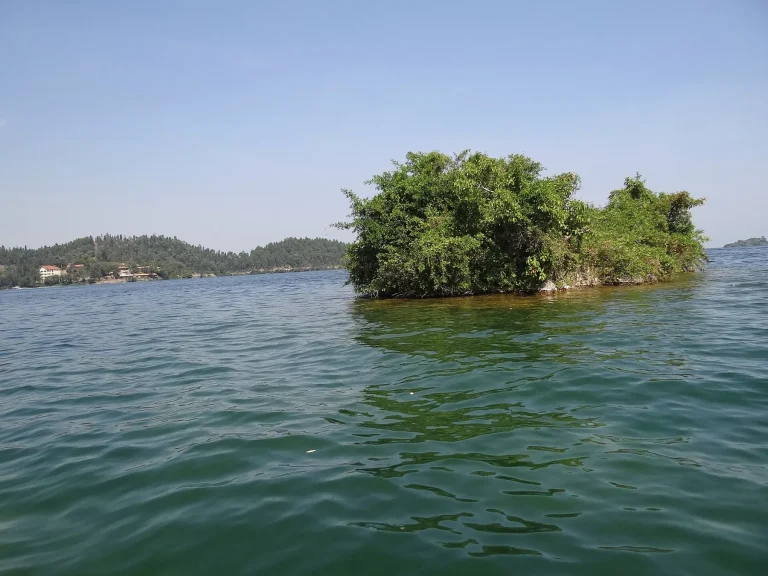
Karongi, still widely known by its former name Kibuye, sits on a deeply indented stretch of Lake Kivu. It is particularly strong for travellers who want stillness, boat time and a softer day between Nyungwe and the northern highlands. Steep hills descend toward sheltered bays, with small islands and peninsulas creating layered water views. The town’s geography makes even short transfers visually rewarding.
Kigali
Kigali works best as more than an airport stop. Built across rolling hills, Rwanda’s capital combines remembrance, modern African creativity, neighbourhood life, dining, design and a clear sense of the country’s transformation. The city rises and falls across a chain of green ridges and valleys. Its relatively compact scale makes it possible to move from civic landmarks and galleries to residential districts, markets and cafés without losing the feeling of being in a highland city.
Lake Ihema
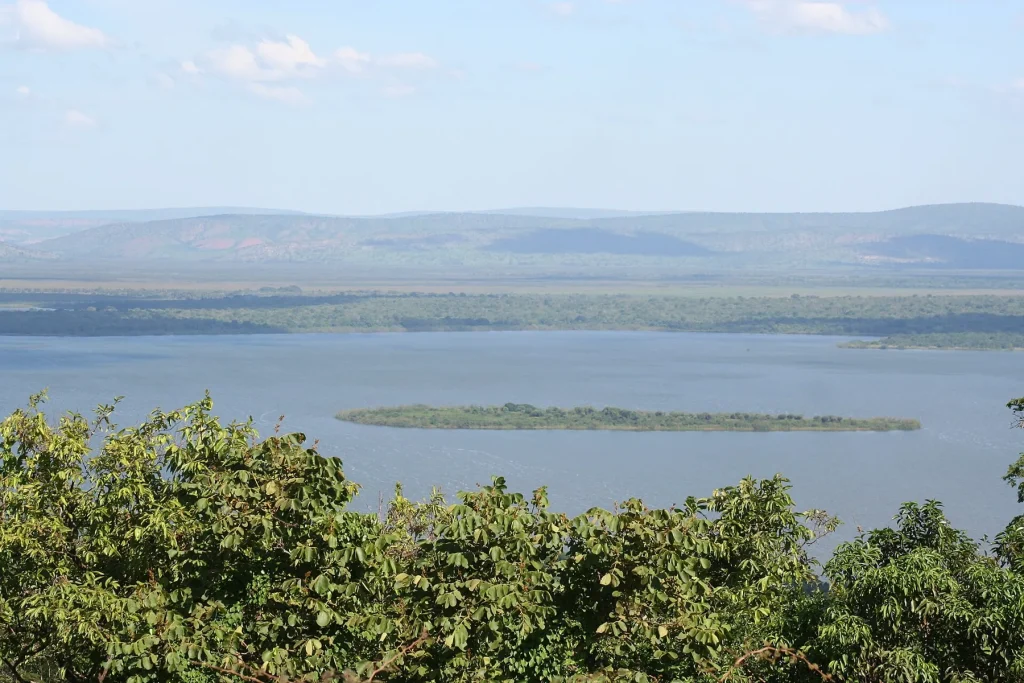
A wetland lake within Akagera National Park, best known for boat safaris among papyrus edges, hippos, crocodiles and waterbirds. The value of the excursion is the change in perspective from vehicle to water and the chance to understand Akagera as a wetland system, not only a savannah park. Lake Ihema is where Akagera changes scale. After hours of viewing the park through windscreen and open savannah, the lake brings the traveller down to water level among papyrus, wooded shorelines, small bays and broad reflections of the eastern Rwandan sky.
Lake Kivu
Lake Kivu stretches along Rwanda’s western frontier and offers a change of rhythm after intensive trekking. Its broad waters, steep cultivated hills and string of lakeside towns make it ideal for rest, scenic drives, boating and soft adventure. The lake sits within the dramatic topography of the Albertine Rift. Islands, peninsulas and steep green slopes create constantly changing views, especially along the road between Karongi and Rubavu.
Musanze (Ruhengeri)
Musanze is the urban centre most closely associated with Volcanoes National Park. The town provides practical services, restaurants, local culture and a useful base for experiences that complement gorilla trekking. Road from Kigali or Rubavu. Recommended stay: Usually 2–3 nights with park activities. The most natural combinations are Volcanoes National Park and Lake Kivu..
Nyanza & Huye Heritage Corridor
The Southern Province can add a meaningful cultural layer between Kigali and Nyungwe. Nyanza introduces the history of Rwanda’s monarchy, while Huye provides museums, academic heritage and broader interpretation of the country’s cultural identity. These stops work best when deliberately paced rather than squeezed into a long transfer day. The road south of Kigali reveals a Rwanda that is easy to miss on wildlife-led itineraries: former royal centres, museums, university life, craft traditions and densely cultivated hills. Nyanza and Huye make the transfer toward Nyungwe meaningful rather than treating the southern province as scenery viewed only through a vehicle window.
Nyungwe National Park
Nyungwe is Rwanda’s rainforest chapter: deep, cool, green and biologically rich. The park protects a major block of Afromontane forest in the Albertine Rift and was inscribed on the UNESCO World Heritage List in 2023. Steep forested ridges, valleys, streams, peatlands, bamboo, open glades and highland views create a landscape that feels far larger than Rwanda’s compact geography suggests. Tea estates and rural communities around the forest provide a striking visual transition between protected wilderness and cultivated highlands.
Rubavu (Gisenyi)
Rubavu, widely known by the historic name Gisenyi, combines broad Lake Kivu views with easy access toward Musanze and Volcanoes National Park. It is busier than Karongi and works well for travellers wanting a more urban lakeside pause. Lakeshore promenades and volcanic highlands frame the destination. The looming Virunga landscape to the north gives Rubavu a strong sense of transition between lake and mountains.
Virunga Mountains
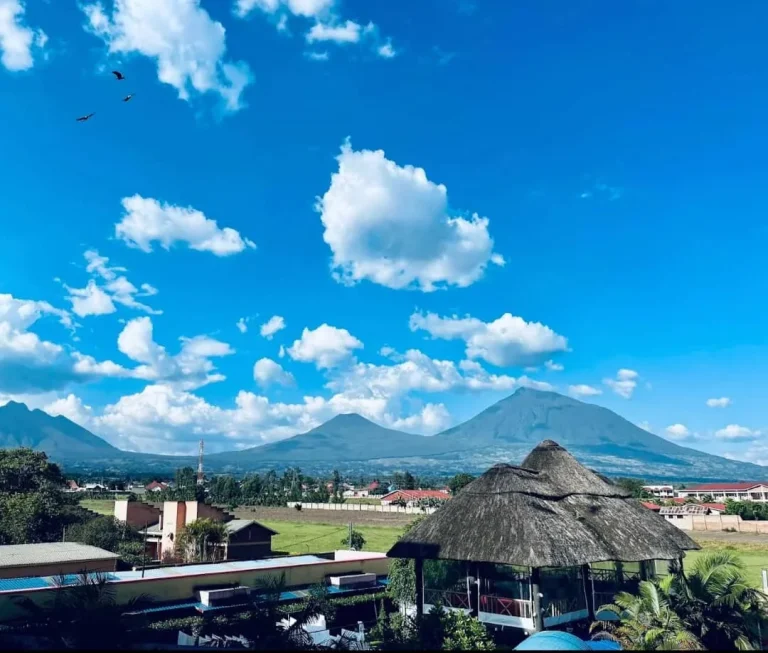
The Virunga Mountains are larger than any one park. This volcanic chain forms the dramatic geographical backdrop to Rwanda’s Volcanoes National Park and Uganda’s Mgahinga Gorilla National Park, shaping both ecosystems and human settlement. Steep cones rise from densely cultivated foothills into bamboo, montane forest, heath and alpine vegetation. On clear days, the peaks create some of the most memorable panoramas in the Great Lakes region.
Volcanoes National Park
Volcanoes National Park is the emotional climax of many Rwanda journeys. Bamboo and montane forest climb the lower slopes of the Virunga volcanoes, creating habitat for mountain gorillas, golden monkeys and a remarkable conservation story. The park’s terrain is volcanic, steep and often misty. Farmland climbs toward a dramatic wall of forest, above which the peaks of the Virungas dominate the skyline.
Gallery
A sense of place