 Photo: Simionescu Victor · CC BY-SA 4.0 · resized for web
Zanzibar (Unguja)
A complete Indian Ocean destination: Swahili heritage, reef life, spice culture and beaches.
Why go
A complete Indian Ocean destination: Swahili heritage, reef life, spice culture and beaches.
Overview
Zanzibar combines beach time with Swahili history, food and island life. Unguja combines UNESCO-listed Stone Town, spice-growing countryside, coral reefs, fishing villages, conservation areas and distinct beach zones with different moods and sea conditions.
Destination Character & Landscape
Coral-rag island landscapes, mangroves, reef lagoons, coconut plantations and historic urban fabric create a highly varied destination.
Signature Experiences
Stone Town guided heritage walk
Spice-farm experience
Jozani-Chwaka Bay forest visit
Mnemba-area snorkeling
Kizimkazi dolphin watching with responsible operators
Nungwi/Kendwa beach time
Changuu/Prison Island excursion
Safari Blue / Menai Bay dhow day
Sunset dhow cruise
Swahili cooking and food experiences
Best Time & Seasonality
Year-round, but beach choice should account for monsoon winds, rainfall and tidal range. Northern beaches behave differently from the east and south coasts.
Access, Routing & Suggested Stay
Abeid Amani Karume International Airport and ferry links from Dar es Salaam. Recommended stay: 4–7 nights after safari; longer for dedicated island holidays. The most natural combinations are Serengeti, Nyerere, Ruaha or Kenya/Tanzania cross-border safaris..
Destination FAQ
How many nights should I spend in Zanzibar (Unguja)?
A good starting point is 4–7 nights after safari; longer for dedicated island holidays.. The right length depends on the activities selected, travel time and whether the destination is a headline stop or a connecting chapter in a longer itinerary.
Who is Zanzibar (Unguja) best for?
It works particularly well for honeymooners, families, divers and snorkellers, culture travellers, food travellers, bush-and-beach guests. Elohim can tailor the pace, guiding and accommodation standard around the traveller.
What should I combine with Zanzibar (Unguja)?
The strongest natural combinations are Serengeti, Nyerere, Ruaha or Kenya/Tanzania cross-border safaris..
Is Zanzibar (Unguja) suitable year-round?
Long-Form Destination Overview
What makes Zanzibar (Unguja) valuable in an Elohim itinerary is not simply the number of attractions it contains but the specific change of pace, landscape and experience it brings. Coastal destinations combine landscape, culture and climate in a way that cannot be reduced to ‘white sand and turquoise water’. Tides, reef structure, Swahili history, fishing communities, mangroves and seasonal winds shape the experience. Tanzania’s distances are large enough that geography and season should drive itinerary design. A slower route through fewer regions generally produces a stronger safari than a checklist that crosses the country simply to include famous names.
That level of detail turns Zanzibar (Unguja) from a map label into a destination people can make an informed decision about.
Landscape, Ecology & Sense of Place
The key is choosing the right coastline for the traveller’s priorities: swimming, privacy, nightlife, diving, culture, family facilities or water sports. This is more useful than treating every beach as interchangeable.
Signature Experiences
Stone Town guided heritage walk. On foot, the focus shifts from distance covered to detail: tracks, plants, insects, geology, scent and sound. Difficulty, heat, altitude and footing should be explained before departure, and walking should only take place on authorised routes with the required guides or rangers. In Zanzibar (Unguja), the activity connects directly to the character of the place so that it feels integral to the itinerary rather than an isolated excursion.
Spice-farm experience. This experience is strongest when it is interpreted through what makes this destination distinctive rather than treated as a generic add-on. Timing, group size, weather and local operating rules should shape how it is delivered. In Zanzibar (Unguja), the activity connects directly to the character of the place so that it feels integral to the itinerary rather than an isolated excursion.
Jozani-Chwaka Bay forest visit. This experience is strongest when it is interpreted through what makes this destination distinctive rather than treated as a generic add-on. Timing, group size, weather and local operating rules should shape how it is delivered. In Zanzibar (Unguja), the activity connects directly to the character of the place so that it feels integral to the itinerary rather than an isolated excursion.
Mnemba-area snorkeling. Marine activities depend on current sea conditions and should be led by qualified operators. The experience is strongest when guests understand reef ecology, avoid standing on coral, maintain respectful distance from marine animals and use equipment suited to their ability. In Zanzibar (Unguja), the activity connects directly to the character of the place so that it feels integral to the itinerary rather than an isolated excursion.
Kizimkazi dolphin watching with responsible operators. This experience is strongest when it is interpreted through what makes this destination distinctive rather than treated as a generic add-on. Timing, group size, weather and local operating rules should shape how it is delivered. In Zanzibar (Unguja), the activity connects directly to the character of the place so that it feels integral to the itinerary rather than an isolated excursion.
Nungwi/Kendwa beach time. Unstructured leisure is a legitimate part of the itinerary. Time without a scheduled excursion allows travellers to absorb the setting, recover from early starts and enjoy the accommodation itself; not every hour needs to be programmed. In Zanzibar (Unguja), the activity connects directly to the character of the place so that it feels integral to the itinerary rather than an isolated excursion.
Changuu/Prison Island excursion. This experience is strongest when it is interpreted through what makes this destination distinctive rather than treated as a generic add-on. Timing, group size, weather and local operating rules should shape how it is delivered. In Zanzibar (Unguja), the activity connects directly to the character of the place so that it feels integral to the itinerary rather than an isolated excursion.
Safari Blue / Menai Bay dhow day. The water changes both perspective and pace. From a boat, guests can watch shoreline behaviour, birds, hippos or marine life at eye level while also appreciating the geography that is difficult to understand from the road. Safety, weather, tide or water level should always determine the final route. In Zanzibar (Unguja), the activity connects directly to the character of the place so that it feels integral to the itinerary rather than an isolated excursion.
Sunset dhow cruise. The water changes both perspective and pace. From a boat, guests can watch shoreline behaviour, birds, hippos or marine life at eye level while also appreciating the geography that is difficult to understand from the road. Safety, weather, tide or water level should always determine the final route. In Zanzibar (Unguja), the activity connects directly to the character of the place so that it feels integral to the itinerary rather than an isolated excursion.
Swahili cooking and food experiences. The strongest cultural experiences are participatory without becoming theatrical. They should create direct local benefit, allow conversation, respect photography preferences and give context to livelihoods, food, craft, land use and contemporary life instead of presenting communities as frozen in the past. In Zanzibar (Unguja), the activity connects directly to the character of the place so that it feels integral to the itinerary rather than an isolated excursion.
How to Build the Stay
A short stay in Zanzibar (Unguja) should focus on the one or two experiences that define the destination and avoid pretending that arrival and departure days are full touring days. This version is best for travellers with limited time who accept a tighter pace.
A balanced stay adds breathing room: one major experience at a time, enough daylight for scenic stops, and the ability to adjust if weather, wildlife or guest energy changes.
A longer stay makes sense for photographers, birders, families, honeymooners, walkers or travellers who want specialist activities. In these cases, the extra nights are not ‘free days’; they create flexibility, allow different light and habitats to be explored, and reduce the pressure to make every wildlife encounter happen on one drive or trek.
Accommodation & Atmosphere
Accommodation choice in Zanzibar (Unguja) should be guided by water access, view, beach or shoreline character, privacy, meal plan and the activities the guest actually wants. Two properties in the same destination can deliver completely different holidays because of tide, reef, town access, transfer time or atmosphere.
Who It Is Best For
Families need clarity on driving hours, age limits and active elements, while honeymooners usually value privacy, pacing and memorable settings more than the number of activities completed.
Very young children, guests with limited mobility, people uncomfortable with long drives or rough water, and travellers expecting a guaranteed wildlife spectacle may require a different activity mix. Honest matching is part of premium service.
Seasonality in Practice
Conditions vary from cool highland rims to hot lowland parks and humid Indian Ocean islands. Seasonal rainfall affects roads, vegetation, migration patterns and marine conditions differently in each region.
Responsible Travel & Operational Reality
Responsible tourism in Zanzibar (Unguja) means accepting that natural and cultural experiences have limits. Wildlife should not be crowded or baited, primate rules must be followed, marine animals should not be chased, community visits should create direct local benefit, and sensitive heritage should be interpreted respectfully. A premium operator protects the experience by being willing to say no when conditions are unsafe or an interaction would be intrusive.
Stone Town Tour
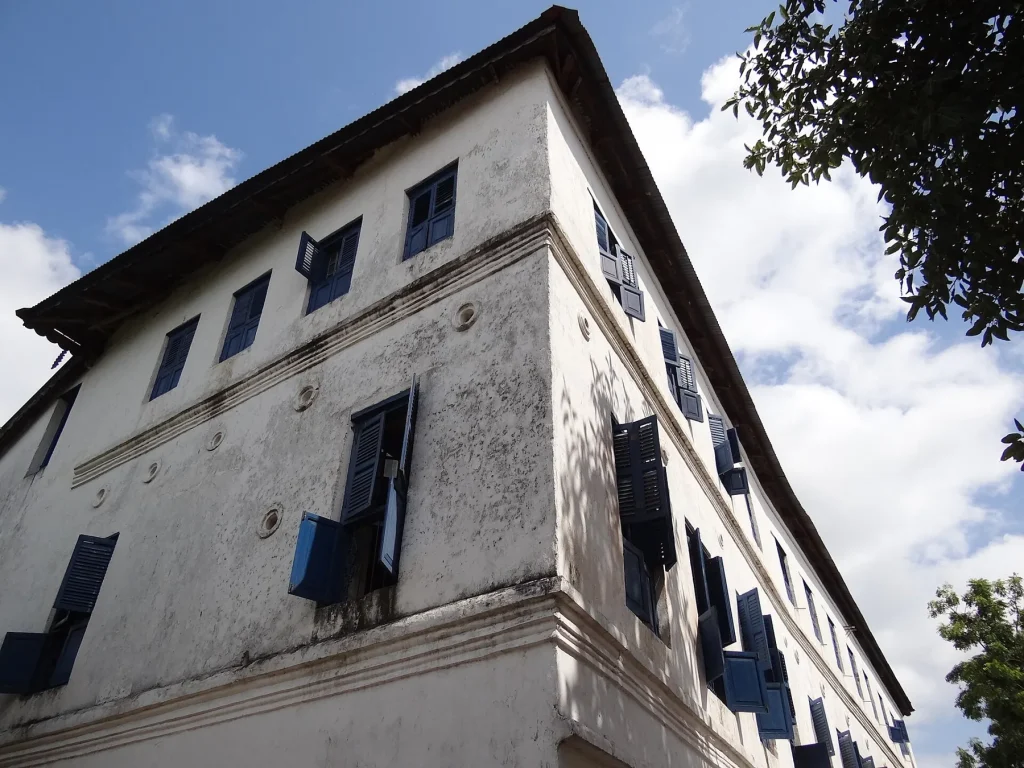
Embark on a journey through history with a guided tour of Stone Town, a UNESCO World Heritage Site. Discover the rich cultural heritage of Zanzibar as you walk through its narrow streets, flanked by centuries-old buildings adorned with intricate wooden doors. Highlights include visits to the House of Wonders, the Old Fort, and the former Slave Market. This tour unveils the unique blend of African, Arab, Indian, and European influences that define Zanzibar.
Spice Tour (Half Day)
Zanzibar is famously known as the “Spice Island.” This half-day tour takes you to a traditional spice farm where you can experience the island’s fragrant bounty. Learn about the origins, uses, and medicinal properties of spices like cinnamon, cardamom, cloves, and nutmeg. Engage your senses as you taste exotic fruits and savor the aroma of freshly harvested spices.
Jozani Forest Tour (Half Day)
Explore the lush greenery of Jozani Chwaka Bay National Park, home to the rare and endangered Red Colobus Monkeys. Walk along a network of trails as you marvel at the park’s rich biodiversity, including mangroves, towering mahogany trees, and diverse bird species. This eco-tour is perfect for nature enthusiasts and conservation advocates.
Prison Island Tour
Sail to Prison Island (Changuu Island) for a day of exploration and relaxation. Originally used as a quarantine station, the island is now famous for its giant Aldabra tortoises. Learn about the island’s history, enjoy snorkeling in crystal-clear waters, and unwind on the pristine beaches.
Dolphin Tour (Half Day)
Experience the thrill of swimming with dolphins in their natural habitat at Kizimkazi. This excursion offers an unforgettable opportunity to interact with these playful creatures. An early start enhances your chances of spotting bottlenose and humpback dolphins while enjoying the serene waters of the Indian Ocean.
Nungwi Tour (Half Day)
Visit the vibrant fishing village of Nungwi, located on Zanzibar’s northern tip. Explore the local dhow-building craft, relax on white sandy beaches, and take in stunning views of the turquoise ocean. This tour is ideal for those seeking cultural insights and leisurely beach time.
Sunset Dhow Cruise
Witness the mesmerizing beauty of a Zanzibar sunset aboard a traditional wooden dhow. Sail along the coastline as the sun dips below the horizon, painting the sky with vibrant hues. This romantic and serene experience is enhanced with light refreshments and traditional Swahili music.
Safari Blue (Full Day)
An adventure-packed day awaits on the Safari Blue tour. Set sail on a dhow to explore Zanzibar’s azure waters, hidden sandbanks, and vibrant coral reefs. Snorkel among colorful marine life, feast on a seafood BBQ lunch, and enjoy refreshing tropical fruits. This full-day excursion also includes a visit to the majestic mangroves.
Mnemba Snorkeling Trip
Dive into the underwater paradise surrounding Mnemba Atoll, a world-renowned snorkeling destination. Swim among vibrant corals, tropical fish, and other marine wonders in crystal-clear waters. This excursion is a must for water lovers and snorkeling enthusiasts.
Sandbank with Lunch (Full Day)
Escape to a secluded sandbank where the clear waters and white sands create an idyllic retreat. Enjoy swimming, snorkeling, or simply basking in the sun. A delicious lunch, featuring fresh seafood and tropical delights, is served amidst this natural haven.
Town + Spice Tour (Half Day, Lunch Included)
Combine the cultural immersion of Stone Town with the aromatic allure of a Spice Tour. Begin with a historical walk through Stone Town, followed by an enlightening spice farm visit. Relish a sumptuous Swahili lunch as part of this enriched half-day experience. Additional cost: $20 per person.
Dolphin + Jozani Tour (Half Day, Lunch Included)
Pair the excitement of dolphin spotting in Kizimkazi with a visit to Jozani Forest’s ecological wonders. After a morning with playful dolphins, delve into the serene forest trails to observe Red Colobus Monkeys and mangroves. Complete your adventure with a hearty Swahili lunch. Additional cost: $18 per person.
Slave Route of Zanzibar Half-Day Tour (H/D)
The Slave Route tour offers a poignant and enlightening journey through Zanzibar’s dark history as a key center in the East African slave trade. Visitors will explore the sites where the tragic stories of enslaved individuals unfold, starting with the historical Slave Market in Stone Town. This site was once a bustling location where enslaved Africans were bought and sold. The tour also includes a visit to the Anglican Cathedral, built on the very grounds of the old slave market, and the Slave Chambers where human lives were kept in horrific conditions. As you walk along the route, you’ll learn from knowledgeable guides about the cultural and social significance of these landmarks, giving you a deep understanding of the resilience and spirit of those who endured such atrocities. The tour offers a reflective and meaningful insight into the historical impact of the slave trade on Zanzibar and its people.
Green Panorama Half-Day Tour (H/D)
Escape the bustle of Stone Town and immerse yourself in the serene beauty of Zanzibar’s lush landscapes on the Green Panorama tour. This excursion takes you to the island’s verdant heart, offering a picturesque view of Zanzibar’s natural wonders. The tour starts with a visit to the Jozani Forest, home to the famous Zanzibar Red Colobus monkeys, an endangered species that is endemic to the island. You’ll also explore the Spice Plantations, where fragrant cloves, nutmeg, and cinnamon grow in abundance. This tour provides an opportunity to experience the island’s rich biodiversity while gaining an appreciation for its agricultural heritage. With spectacular views over the island’s panoramic landscape, the Green Panorama tour is a perfect blend of nature, history, and culture.
Made in Zanzibar Half-Day Tour (H/D)
The Made in Zanzibar tour offers an in-depth exploration of the island’s vibrant culture through its crafts and artisans. Zanzibar is known for its skilled craftsmanship, and this tour takes you to the workshops where local artisans create unique products, from intricate wood carvings and hand-woven textiles to stunning jewelry and pottery. Visit the famous Darajani Market to witness the hustle and bustle of the local commerce, and get a firsthand look at the craftsmanship that makes Zanzibar a hub for art and culture. Whether you’re fascinated by the artistry of local painters or the tradition of dhow building, this excursion provides an authentic view of Zanzibar’s artisan heritage.
Taste of Zanzibar Half-Day Tour (H/D)
Savor the flavors of Zanzibar with the Taste of Zanzibar tour, a culinary journey through the island’s rich food culture. Zanzibar’s cuisine is a delightful fusion of spices, coconut, seafood, and African influences. On this tour, you’ll visit bustling local markets and taste a variety of fresh, local dishes. Sample traditional foods such as Zanzibar pizza, samosas, mishkaki (skewered meats), and ugali, as well as fruit juices made from the island’s tropical offerings. Your guide will explain the ingredients and techniques behind the dishes, offering you an immersive experience in Zanzibar’s culinary traditions. This is a must-do for food lovers seeking to discover the tastes and traditions that define this iconic destination.
Cooking Lessons with Lunch
A hands-on cooking lesson in Zanzibar offers a delightful opportunity to learn how to prepare local dishes under the guidance of skilled chefs. In this immersive experience, you’ll visit a local home or kitchen where you’ll be taught to prepare a full, traditional Zanzibar meal. You’ll learn to cook with the island’s abundant spices, fresh seafood, and tropical fruits. The session includes an introduction to the key ingredients that give Zanzibar’s cuisine its distinctive flavors. After cooking, you’ll sit down to enjoy the meal you’ve prepared, accompanied by refreshing local drinks. This experience is perfect for anyone looking to connect with the island’s culture in a flavorful and meaningful way.
Princess Salme Half-Day Tour (H/D)
The Princess Salme tour takes you on a captivating journey through the life and legacy of Princess Salme, one of Zanzibar’s most notable historical figures. Born into royalty, Princess Salme defied the conventions of her time by falling in love with a German merchant and eventually fleeing Zanzibar for a new life in Europe. During this tour, you’ll visit key sites associated with the princess, including her former palace in Stone Town, the House of Wonders, and the Old Fort. Your guide will share stories of her life, her courageous escape, and her influence on Zanzibar’s history. The Princess Salme tour offers a unique perspective on Zanzibar’s royal past and a glimpse into the life of an extraordinary woman who shaped the island’s cultural heritage.
Sultan Panorama Full-Day Tour with Lunch (F/D)
The Sultan Panorama tour offers a full day of exploration into Zanzibar’s royal history and natural beauty. This guided tour begins with a visit to the majestic Sultan’s Palace, once the residence of Zanzibar’s ruling family, where you will learn about the sultans’ influence on the island’s culture, politics, and architecture. The tour also includes a visit to the Persian Baths, a symbol of Zanzibar’s wealth and connection to the broader Arabian world. The second half of the day takes you into the island’s scenic landscapes, including a trip to the spice farms where you can witness how Zanzibar’s famous spices are cultivated. After enjoying a freshly prepared lunch, the day concludes with a panoramic view of the island’s landscape from one of the highest points on the island, providing breathtaking views of the Indian Ocean and the surrounding islands. This tour is a perfect blend of history, culture, and nature, offering a comprehensive look at Zanzibar’s heritage.
Wildlife, Ecology or Cultural Significance
Marine life, reef fish, dolphins, red colobus monkeys and coastal birds complement the island’s cultural depth.
Who This Destination Suits
This destination is especially well suited to Honeymooners, Families, Divers and snorkellers, Culture travellers, Food travellers and Bush-and-beach guests.
Stone Town
A dense Swahili trading town shaped by African, Arab, Indian and European influences and inscribed on the UNESCO World Heritage List.
Best used for: Walking tour, doors and architecture, markets, museums.
Jozani-Chwaka Bay
Zanzibar’s best-known terrestrial nature destination and key habitat for the Zanzibar red colobus.
Best used for: Forest walk, primates, mangroves.
Mnemba Atoll area
Clear waters and reefs off northeast Zanzibar used for snorkelling and diving; visitor access is generally by boat around the atoll.
Best used for: Snorkelling, diving, marine life.
Kizimkazi
A southern coastal area known for dolphin-watching excursions and a quieter island atmosphere.
Nungwi & Kendwa
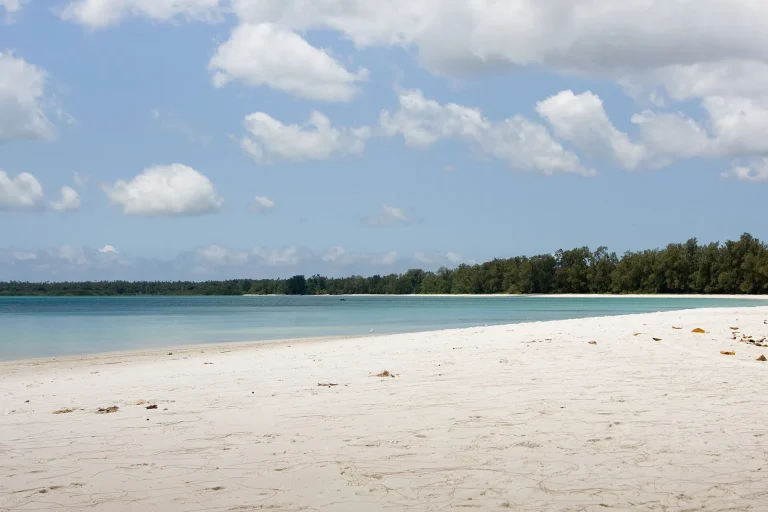
Popular northern beach zones with attractive sunsets and generally less extreme tidal exposure than much of the east coast.
Changuu / Prison Island
A small island near Stone Town associated with quarantine history and giant tortoises.
Best used for: Boat trip, tortoises, history.
Menai Bay / Safari Blue
A southwest-island marine excursion landscape of sandbanks, snorkeling sites and mangroves.
Best used for: Dhow cruise, sandbank, snorkelling, seafood.
Landscape, Ecology & Sense of Place
Water, altitude, vegetation, soil, settlement patterns and protected-area boundaries influence what travellers see and how they move through Zanzibar (Unguja). This is especially important for repeat Africa travellers, who often value ecological differences as much as individual species sightings.
Stone Town
UNESCO HISTORIC TOWN A dense Swahili trading town shaped by African, Arab, Indian and European influences and inscribed on the UNESCO World Heritage List.
Jozani-Chwaka Bay
FOREST & CONSERVATION AREA Zanzibar’s best-known terrestrial nature destination and key habitat for the Zanzibar red colobus.
Mnemba Atoll area
MARINE AREA Clear waters and reefs off northeast Zanzibar used for snorkelling and diving; visitor access is generally by boat around the atoll.
Kizimkazi
COASTAL VILLAGE A southern coastal area known for dolphin-watching excursions and a quieter island atmosphere. Best used for: Boat trip, coastal culture.
Nungwi & Kendwa
NORTHERN BEACHES Popular northern beach zones with attractive sunsets and generally less extreme tidal exposure than much of the east coast. Best used for: Beach, sunset, water sports.
Changuu / Prison Island
ISLAND HERITAGE & WILDLIFE ATTRACTION A small island near Stone Town associated with quarantine history and giant tortoises.
Menai Bay / Safari Blue
MARINE CONSERVATION AREA & DHOW CIRCUIT A southwest-island marine excursion landscape of sandbanks, snorkeling sites and mangroves.
Seasonality in Practice
Zanzibar (Unguja) may be excellent in more than one season for different reasons. Where migration, marine wildlife, road access or trekking conditions are genuinely seasonal, those changes should be described without guaranteeing exact dates.
How many nights should I spend in Zanzibar (Unguja)?
The right stay depends on whether this is a headline destination or a connector. A short visit can cover the defining experience, but an additional night usually improves flexibility, photography and comfort. The package routing and activity list should determine the final recommendation.
Is Zanzibar (Unguja) suitable for families?
Often yes, but family suitability depends on age restrictions, walking difficulty, drive length, boat conditions and the style of accommodation. Activities should be matched to the youngest traveller rather than assuming every adult safari programme works unchanged for children.
Do I need a private guide in Zanzibar (Unguja)?
Not always, but private guiding adds flexibility for photography, children, specialist birding, slower pacing and travellers who want to spend longer at particular sightings or cultural experiences.
What should I pack for Zanzibar (Unguja)?
Use the destination-specific packing advice rather than a universal safari list. Closed shoes, sun protection, layers and a reusable bottle are common basics; forest, mountain and marine destinations need additional rain, warmth or water-specific equipment.
Can wildlife or weather be guaranteed?
Wildlife moves freely and weather changes. Ethical travel planning explains probabilities and seasonal patterns without promising a crossing, predator hunt, primate behaviour, dolphin sighting, clear mountain view or dry trekking day.
How should Zanzibar (Unguja) be combined with other Elohim destinations?
Use the routing guidance already provided for Zanzibar (Unguja) and favour combinations that add a contrasting ecosystem without unnecessary backtracking. The best link is the one that improves the journey, not simply the one with the most famous name.