 Photo: Mgiganteus · CC BY-SA 3.0 · resized for web
Gede Ruins
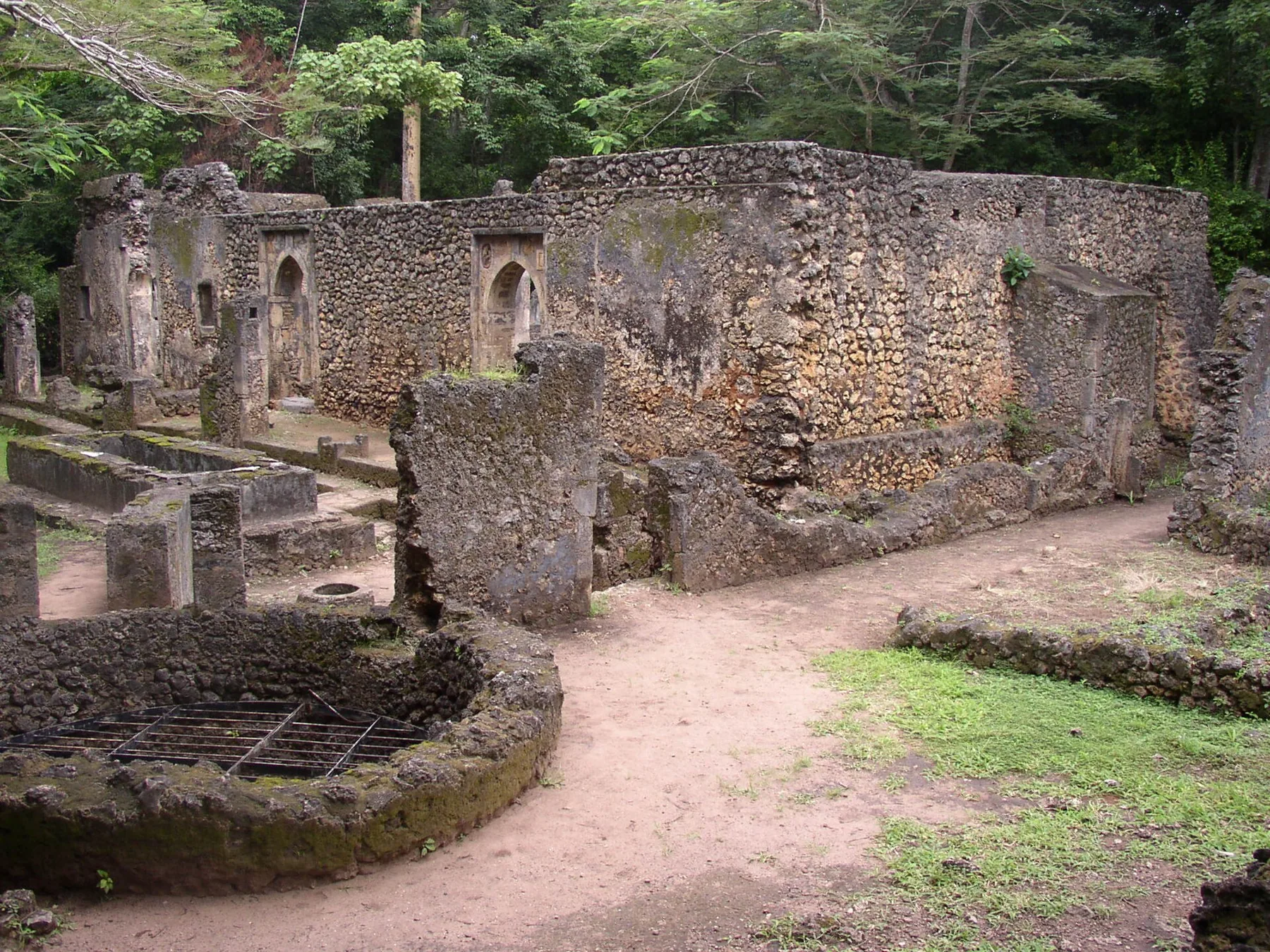
A major Swahili archaeological site near Watamu. Coral-stone houses, mosques, tombs and forest setting help explain the long Indian Ocean trading history of the coast and deserve a guided cultural visit rather than a short photo stop.
Why go
A major Swahili archaeological site near Watamu. Coral-stone houses, mosques, tombs and forest setting help explain the long Indian Ocean trading history of the coast and deserve a guided cultural visit rather than a short photo stop.
At a Glance
Destination type: Swahili archaeological and heritage site near Watamu. Suggested time: Approximately 1.5–3 hours depending on depth of guiding and museum interpretation. Best for: History travellers, families, photographers, educational groups and beach guests seeking cultural depth.
Why This Place Matters
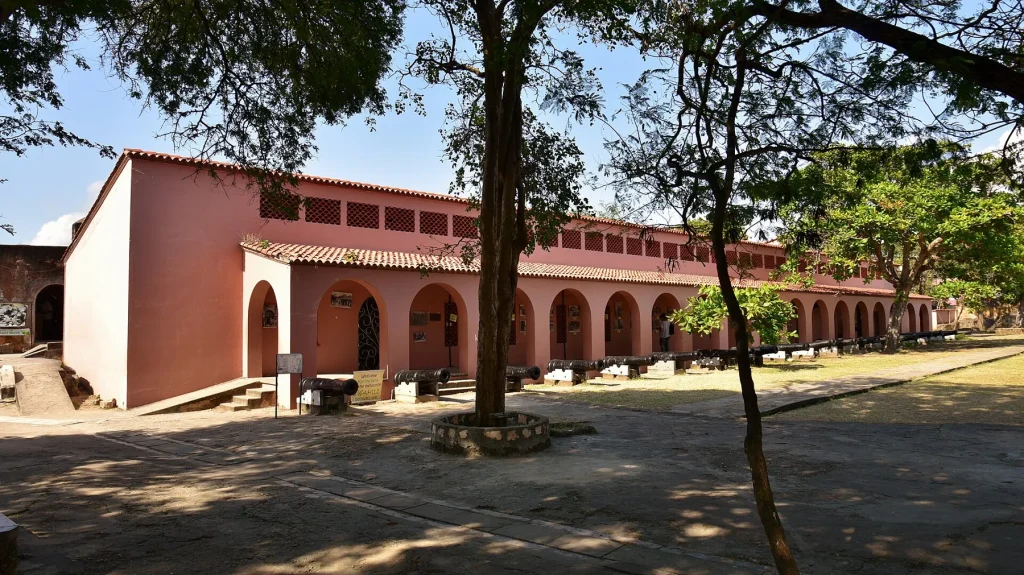
Hidden within coastal forest, Gede’s coral-stone walls create one of Kenya’s most atmospheric windows into the medieval Swahili world. Houses, mosques, tombs and public spaces evoke a trading settlement once connected to wider Indian Ocean networks.
The significance is cultural rather than wildlife-led: architecture, imported goods, water systems and settlement planning help explain the sophistication and connectivity of historical Swahili towns.
Access, Timing & Suggested Stay
A short drive from Watamu and within easy reach of Malindi.
Approximately 1.5–3 hours depending on depth of guiding and museum interpretation.
Who Will Enjoy It Most
History travellers, families, photographers, educational groups and beach guests seeking cultural depth.
Seasonality & Conditions
Accessible year-round; cooler morning hours are comfortable for walking and photography.
How It Fits into an Elohim Journey
The strongest combinations are Watamu, Arabuko-Sokoke, Mida Creek and Malindi heritage sites. The route should minimise unnecessary backtracking and leave enough time for the defining experience rather than compressing the stop into a transfer day.
What combines well with Gede Ruins?
Watamu, Arabuko-Sokoke, Mida Creek and Malindi heritage sites.
A closer look
Gede’s stone remains sit within coastal forest near Malindi and Watamu. Mosques, houses and the former town plan help visitors imagine a Swahili settlement tied to Indian Ocean exchange, rather than an isolated set of old walls. The National Museums of Kenya describes a town whose origins reach the twelfth century and whose buildings developed over subsequent centuries. A guide can connect the surviving architecture to questions of trade, daily life and eventual abandonment without reducing the history to a single dramatic explanation.
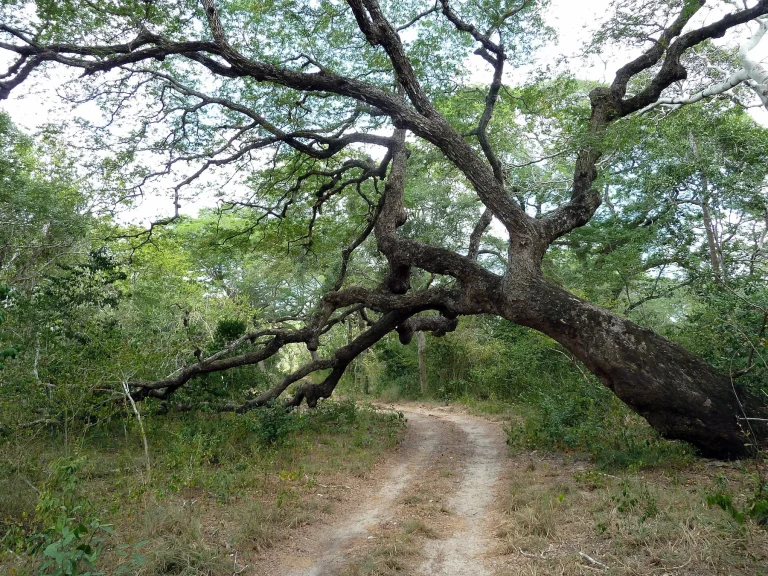
Allow time to walk slowly through the site and museum setting. Shade and vegetation give the ruins a distinctive atmosphere, while carved and built details reward close attention. Combining Gede with a forest or creek visit shows two sides of the coastal landscape, but each stop deserves its own time. Heritage rules and photography guidance should be followed, and visitors should avoid touching fragile masonry. The excursion is particularly good for guests seeking cultural depth during a beach holiday.
Make the most of the visit
The surviving mosques, houses and urban traces invite a slow walk. Their details are easier to understand with interpretation that connects built form to Swahili coastal trade and everyday life. The National Museums of Kenya places the settlement’s origins in the medieval period. A guide can discuss what archaeology reveals while being clear about what remains uncertain.
The forest setting is part of the experience: shade, sound and vegetation shape how the old town is encountered today. Give the visit enough time for the museum and pathways instead of photographing one wall and leaving. Do not climb or touch fragile masonry. Pairing Gede with Watamu or Mida Creek adds environmental context without reducing the site to a beach excursion.
Explore nearby
These guides can help build a route with contrasting places and a sensible travel rhythm. The right combination depends on available time and local conditions.
Watamu
Marine biodiversity, mangrove creeks and one of Kenya’s richest concentrations of coastal nature and heritage.
Mida Creek
A tidal mangrove creek near Watamu where canoe or dhow excursions reveal mudflats, channels, birdlife and the ecological side of the coast. Sunset outings are especially atmospheric and pair well with a broader Watamu stay.
Arabuko-Sokoke Forest
One of East Africa’s most important coastal forests and a specialist destination for birders and naturalists. The appeal is patient forest guiding, endemic or restricted-range species and biodiversity rather than large mammals.
Responsible Travel Notes
Experiences at Gede Ruins should follow current protected-area, community or heritage-site rules. Wildlife must be given space, guides should never pressure animals for photographs, cultural encounters should create direct local benefit, and marine or forest activities should minimise physical impact. Fees, access rules and operating times are best confirmed during quotation because they can change.
Can every wildlife sighting or activity be guaranteed?
Wildlife movement, weather, sea or trail conditions and local operating rules can change. The itinerary should protect enough flexibility to deliver the strongest experience available on the day rather than promise a specific natural event.
Reading the ruins
Gede rewards visitors who take time to understand the town plan. Ask your guide to explain the relationship between domestic buildings, places of worship and shared spaces, then look for differences in scale and detail. The surviving structures are evidence to interpret, rather than a complete reconstruction of daily life. Distinguishing what archaeologists know from what remains uncertain makes the history more interesting.
The National Museums of Kenya also recognises the forest setting as a sacred place for the surrounding community. Keep to approved paths, leave objects where they are and avoid climbing masonry for photographs. For a coastal family outing, allow time for questions and short rests rather than adding a long list of other stops. Gede and Arabuko-Sokoke offer different experiences: one centres on an historic settlement, the other on a living forest ecosystem. Choose the emphasis that best suits your group.