 Photo: Giles Laurent · CC BY-SA 4.0 · resized for web
 Queen Elizabeth National Park
Uganda’s most varied classic safari park: plains, channels, craters, forests and tree-climbing lions.
At a glance
Useful facts for planning
In this guide
Why go
Uganda’s most varied classic safari park: plains, channels, craters, forests and tree-climbing lions.
Overview
Queen Elizabeth National Park is exceptionally diverse in both scenery and experience. It links open savannah, crater landscapes, the Kazinga Channel, forested gorges and the remote Ishasha sector within one broad protected area.
Destination Character & Landscape
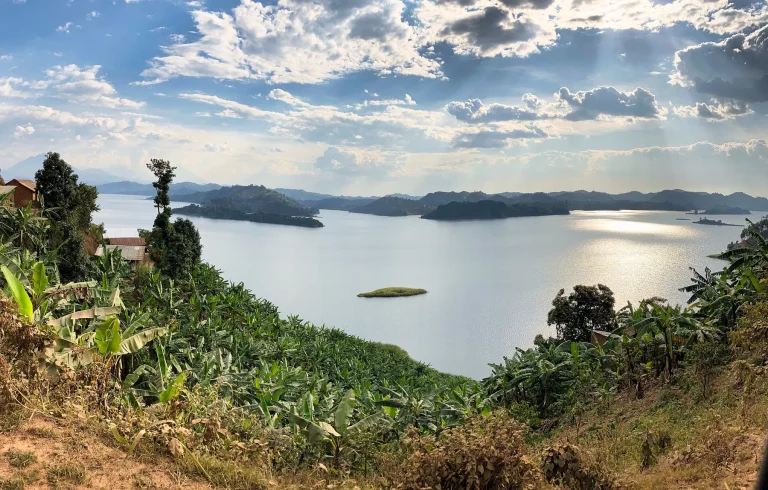
The park sits in the Albertine Rift between lakes Edward and George, with the Rwenzori Mountains often forming a dramatic distant backdrop.
Signature Experiences
Kasenyi plains game drive
Kazinga Channel boat safari
Ishasha tree-climbing-lion search
Crater-lake scenic drives
Birding in Maramagambo Forest
Kyambura Gorge primate and nature experiences where available
Mweya Peninsula viewpoints
Best Time & Seasonality
Year-round; game drives and boat safaris remain strong in most seasons, while road conditions vary during heavy rain.
Access, Routing & Suggested Stay
Road from Kibale or Bwindi; scheduled flights commonly use nearby airstrips depending on itinerary. Recommended stay: 2–4 nights depending on whether Ishasha is included. The most natural combinations are Kibale, Bwindi and Lake Mburo..
Destination FAQ
How many nights should I spend in Queen Elizabeth National Park?
A good starting point is 2–4 nights depending on whether Ishasha is included.. The right length depends on the activities selected, travel time and whether the destination is a headline stop or a connecting chapter in a longer itinerary.
Who is Queen Elizabeth National Park best for?
It works particularly well for first-time safari travellers, families, birders, photographers, primate + big-game combination travellers. Elohim can tailor the pace, guiding and accommodation standard around the traveller.
What should I combine with Queen Elizabeth National Park?
The strongest natural combinations are Kibale, Bwindi and Lake Mburo..
Is Queen Elizabeth National Park suitable year-round?
Long-Form Destination Overview
What makes Queen Elizabeth National Park valuable in an Elohim itinerary is not simply the number of attractions it contains but the specific change of pace, landscape and experience it brings. Open country is never truly uniform. Grass height, water, woodland, river systems, soil colour and topography all influence where wildlife is found and how a game drive feels. These habitat changes shape every game drive and reveal far more than a generic ‘Big Five’ promise. Uganda’s western safari circuit links wetlands, savannah, tropical forest, crater country and mountain landscapes. Road journeys can be substantial, so destination pages should help travellers understand why the transitions are part of the journey rather than empty transfer time.
That level of detail turns Queen Elizabeth National Park from a map label into a destination people can make an informed decision about.
Landscape, Ecology & Sense of Place
Wildlife viewing is strongest when the schedule follows animal behaviour: early starts, patient observation, time around water and enough flexibility to remain with an interesting sighting rather than racing between species.
Signature Experiences
Kasenyi plains game drive. A well-planned game drive is not simply time spent in a vehicle. The guide reads tracks, alarm calls, fresh dung, bird behaviour, water availability and the movements of other animals to decide where to spend time. Private or small-group vehicles create the greatest flexibility for photography, family pacing and longer observation of natural behaviour. In Queen Elizabeth National Park, the activity connects directly to the character of the place so that it feels integral to the itinerary rather than an isolated excursion.
Kazinga Channel boat safari. The water changes both perspective and pace. From a boat, guests can watch shoreline behaviour, birds, hippos or marine life at eye level while also appreciating the geography that is difficult to understand from the road. Safety, weather, tide or water level should always determine the final route. In Queen Elizabeth National Park, the activity connects directly to the character of the place so that it feels integral to the itinerary rather than an isolated excursion.
Ishasha tree-climbing-lion search. This experience is strongest when it is interpreted through what makes this destination distinctive rather than treated as a generic add-on. Timing, group size, weather and local operating rules should shape how it is delivered. In Queen Elizabeth National Park, the activity connects directly to the character of the place so that it feels integral to the itinerary rather than an isolated excursion.
Crater-lake scenic drives. This experience is strongest when it is interpreted through what makes this destination distinctive rather than treated as a generic add-on. Timing, group size, weather and local operating rules should shape how it is delivered. In Queen Elizabeth National Park, the activity connects directly to the character of the place so that it feels integral to the itinerary rather than an isolated excursion.
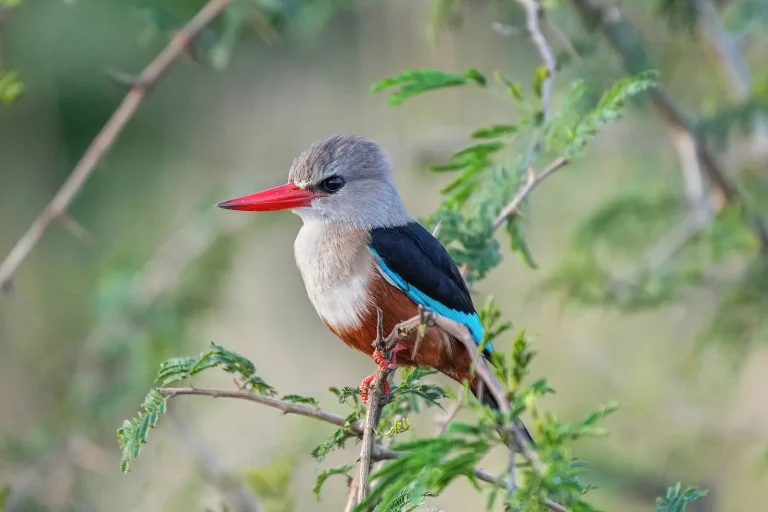
Birding in Maramagambo Forest. Specialist birding is best built around habitat and time of day rather than a long species checklist. A knowledgeable guide can slow the pace, work with calls and movement, use a spotting scope where appropriate and explain why certain species are restricted to a particular forest, wetland or altitude. In Queen Elizabeth National Park, the activity connects directly to the character of the place so that it feels integral to the itinerary rather than an isolated excursion.
Kyambura Gorge primate and nature experiences where available. Primate experiences are most rewarding when travellers look beyond the headline species. Feeding behaviour, troop movement, forest structure and relationships between different primates can turn a short sighting into a much richer natural-history experience. In Queen Elizabeth National Park, the activity connects directly to the character of the place so that it feels integral to the itinerary rather than an isolated excursion.
Mweya Peninsula viewpoints. This experience is strongest when it is interpreted through what makes this destination distinctive rather than treated as a generic add-on. Timing, group size, weather and local operating rules should shape how it is delivered. In Queen Elizabeth National Park, the activity connects directly to the character of the place so that it feels integral to the itinerary rather than an isolated excursion.
How to Build the Stay
A short stay in Queen Elizabeth National Park should focus on the one or two experiences that define the destination and avoid pretending that arrival and departure days are full touring days. This version is best for travellers with limited time who accept a tighter pace.
A balanced stay adds breathing room: one major experience at a time, enough daylight for scenic stops, and the ability to adjust if weather, wildlife or guest energy changes.
A longer stay makes sense for photographers, birders, families, honeymooners, walkers or travellers who want specialist activities. In these cases, the extra nights are not ‘free days’; they create flexibility, allow different light and habitats to be explored, and reduce the pressure to make every wildlife encounter happen on one drive or trek.
Accommodation & Atmosphere
Accommodation around Queen Elizabeth National Park should be matched by location as carefully as by star rating. A camp inside or immediately beside the wildlife area may improve early and late access, while a private conservancy property may offer activities or privacy that the core protected area cannot.
Who It Is Best For
Families need clarity on driving hours, age limits and active elements, while honeymooners usually value privacy, pacing and memorable settings more than the number of activities completed.
Very young children, guests with limited mobility, people uncomfortable with long drives or rough water, and travellers expecting a guaranteed wildlife spectacle may require a different activity mix. Honest matching is part of premium service.
Seasonality in Practice
Uganda is equatorial but altitude changes the climate considerably. Forest and mountain regions can be cool and wet, while savannah and Nile landscapes are warmer; rain is possible outside the headline wet seasons.
Responsible Travel & Operational Reality
Responsible tourism in Queen Elizabeth National Park means accepting that natural and cultural experiences have limits. Wildlife should not be crowded or baited, primate rules must be followed, marine animals should not be chased, community visits should create direct local benefit, and sensitive heritage should be interpreted respectfully. A premium operator protects the experience by being willing to say no when conditions are unsafe or an interaction would be intrusive.
Wildlife, Ecology or Cultural Significance
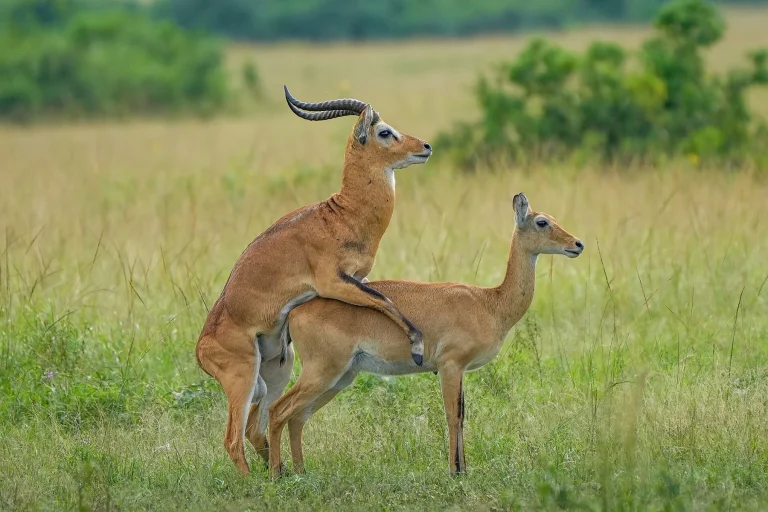
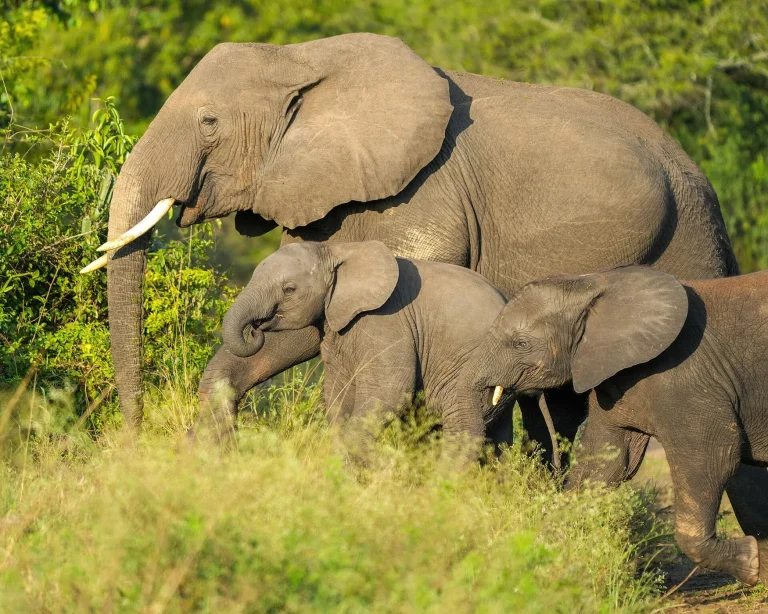
Elephants, buffalo, Uganda kob, hippos, crocodiles, lions and leopards are key highlights, while the Ishasha sector is famous for lions that sometimes rest in fig trees.
Who This Destination Suits
This destination is especially well suited to First-time safari travellers, Families, Birders, Photographers and Primate + big-game combination travellers.
Kasenyi Plains
Open plains known for Uganda kob and predator activity, particularly rewarding in cooler morning and evening hours.
Best used for: Game drives, predator search, photography.
Kazinga Channel
The natural channel connecting lakes George and Edward is one of Uganda’s most dependable water-based wildlife experiences.
Best used for: Boat safari, hippos, crocodiles, elephants, waterbirds.
Ishasha Sector
A quieter southern area known for fig trees, open plains and the possibility of seeing lions resting above ground.
Best used for: Game drives, tree-climbing-lion search, route to Bwindi.
Kyambura Gorge
A green fault-line gorge cutting through surrounding savannah and adding a striking forest ecosystem to the park.
Best used for: Nature walks, primate interest, scenery.
Maramagambo Forest
A moist forest component of the wider park ecosystem with forest birds, primates and cave features.
Best used for: Birding, forest walk, natural history.
Mweya Peninsula
A strategic area between lakes and the Kazinga Channel, used for game viewing, boating access and scenic overlooks.
Best used for: Boat departure, game drives, views.
Landscape, Ecology & Sense of Place
Water, altitude, vegetation, soil, settlement patterns and protected-area boundaries influence what travellers see and how they move through Queen Elizabeth National Park. This is especially important for repeat Africa travellers, who often value ecological differences as much as individual species sightings.
Kasenyi Plains
SAVANNAH SECTOR Open plains known for Uganda kob and predator activity, particularly rewarding in cooler morning and evening hours.
Kazinga Channel
WATERWAY The natural channel connecting lakes George and Edward is one of Uganda’s most dependable water-based wildlife experiences.
Ishasha Sector
REMOTE SAVANNAH SECTOR A quieter southern area known for fig trees, open plains and the possibility of seeing lions resting above ground.
Kyambura Gorge
FORESTED GORGE A green fault-line gorge cutting through surrounding savannah and adding a striking forest ecosystem to the park.
Maramagambo Forest
FOREST A moist forest component of the wider park ecosystem with forest birds, primates and cave features.
Mweya Peninsula
PENINSULA & SAFARI HUB A strategic area between lakes and the Kazinga Channel, used for game viewing, boating access and scenic overlooks.
Seasonality in Practice
Queen Elizabeth National Park may be excellent in more than one season for different reasons. Where migration, marine wildlife, road access or trekking conditions are genuinely seasonal, those changes should be described without guaranteeing exact dates.
How many nights should I spend in Queen Elizabeth National Park?
The right stay depends on whether this is a headline destination or a connector. A short visit can cover the defining experience, but an additional night usually improves flexibility, photography and comfort. The package routing and activity list should determine the final recommendation.
Is Queen Elizabeth National Park suitable for families?
Often yes, but family suitability depends on age restrictions, walking difficulty, drive length, boat conditions and the style of accommodation. Activities should be matched to the youngest traveller rather than assuming every adult safari programme works unchanged for children.
Do I need a private guide in Queen Elizabeth National Park?
Not always, but private guiding adds flexibility for photography, children, specialist birding, slower pacing and travellers who want to spend longer at particular sightings or cultural experiences.
What should I pack for Queen Elizabeth National Park?
Use the destination-specific packing advice rather than a universal safari list. Closed shoes, sun protection, layers and a reusable bottle are common basics; forest, mountain and marine destinations need additional rain, warmth or water-specific equipment.
Can wildlife or weather be guaranteed?
Wildlife moves freely and weather changes. Ethical travel planning explains probabilities and seasonal patterns without promising a crossing, predator hunt, primate behaviour, dolphin sighting, clear mountain view or dry trekking day.
How should Queen Elizabeth National Park be combined with other Elohim destinations?
Use the routing guidance already provided for Queen Elizabeth National Park and favour combinations that add a contrasting ecosystem without unnecessary backtracking. The best link is the one that improves the journey, not simply the one with the most famous name.
Gallery
A sense of place