 Photo: Jenny Kellett · CC BY-SA 4.0 · resized for web
Watamu
Marine biodiversity, mangrove creeks and one of Kenya’s richest concentrations of coastal nature and heritage.
Why go
Marine biodiversity, mangrove creeks and one of Kenya’s richest concentrations of coastal nature and heritage.
Overview
Watamu is far more than a beach resort. Within a compact area, travellers can combine a marine national park, mangrove-lined Mida Creek, Swahili archaeology at Gede and the biodiversity of Arabuko-Sokoke Forest.
Destination Character & Landscape
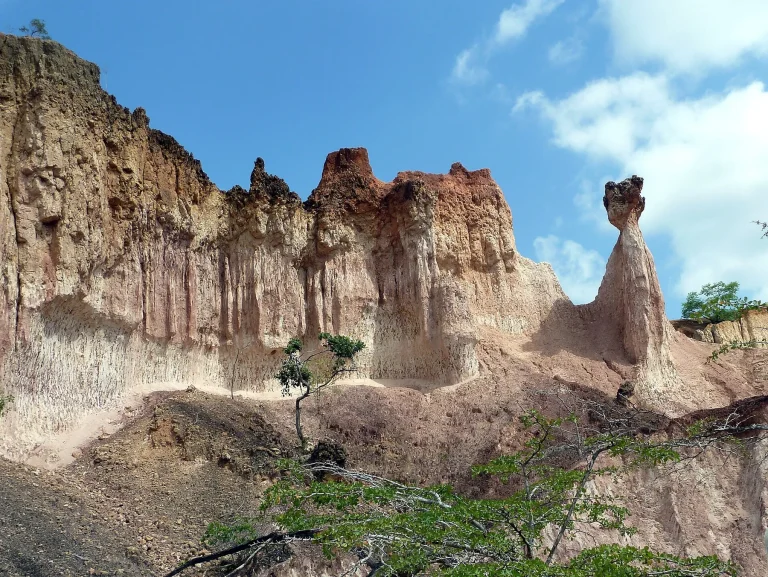
White-sand bays, coral reef, tidal creeks, mangroves and coastal forest sit close together.
Signature Experiences
Watamu Marine Park snorkeling and glass-bottom boating
Dolphin watching with responsible operators
Mida Creek canoe or dhow experience
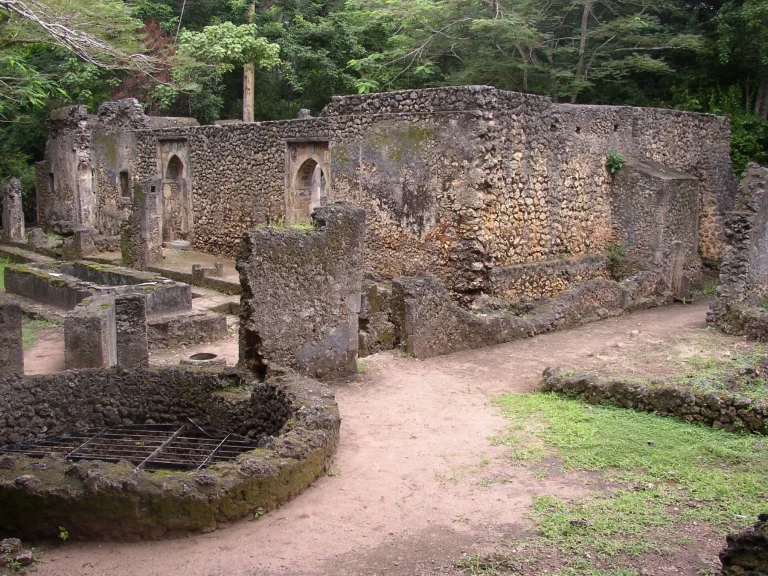
Gede Ruins heritage tour
Arabuko-Sokoke birding and forest walk
Bio-Ken reptile education visit
Diving, kite surfing and beach leisure
Best Time & Seasonality
Year-round with marine activities influenced by monsoon winds, rainfall and sea conditions.
Access, Routing & Suggested Stay
Road from Malindi Airport or Mombasa. Recommended stay: 4–6 nights. The most natural combinations are Malindi and Kilifi..
Destination FAQ
How many nights should I spend in Watamu?
A good starting point is 4–6 nights.. The right length depends on the activities selected, travel time and whether the destination is a headline stop or a connecting chapter in a longer itinerary.
Who is Watamu best for?
It works particularly well for eco-travellers, families, divers, birders, couples, culture + beach travellers. Elohim can tailor the pace, guiding and accommodation standard around the traveller.
What should I combine with Watamu?
The strongest natural combinations are Malindi and Kilifi..
Is Watamu suitable year-round?
Long-Form Destination Overview
What makes Watamu valuable in an Elohim itinerary is not simply the number of attractions it contains but the specific change of pace, landscape and experience it brings. Coastal destinations combine landscape, culture and climate in a way that cannot be reduced to ‘white sand and turquoise water’. Tides, reef structure, Swahili history, fishing communities, mangroves and seasonal winds shape the experience. Kenya’s safari geography is unusually varied, ranging from semi-arid northern reserves and highland conservancies to Rift Valley lakes, classic southern savannahs and the Indian Ocean coast. Good route design uses that contrast deliberately.
That level of detail turns Watamu from a map label into a destination people can make an informed decision about.
Landscape, Ecology & Sense of Place
The key is choosing the right coastline for the traveller’s priorities: swimming, privacy, nightlife, diving, culture, family facilities or water sports. This is more useful than treating every beach as interchangeable.
Signature Experiences
Watamu Marine Park snorkeling and glass-bottom boating. The water changes both perspective and pace. From a boat, guests can watch shoreline behaviour, birds, hippos or marine life at eye level while also appreciating the geography that is difficult to understand from the road. Safety, weather, tide or water level should always determine the final route. In Watamu, the activity connects directly to the character of the place so that it feels integral to the itinerary rather than an isolated excursion.
Dolphin watching with responsible operators. This experience is strongest when it is interpreted through what makes this destination distinctive rather than treated as a generic add-on. Timing, group size, weather and local operating rules should shape how it is delivered. In Watamu, the activity connects directly to the character of the place so that it feels integral to the itinerary rather than an isolated excursion.
Mida Creek canoe or dhow experience. The water changes both perspective and pace. From a boat, guests can watch shoreline behaviour, birds, hippos or marine life at eye level while also appreciating the geography that is difficult to understand from the road. Safety, weather, tide or water level should always determine the final route. In Watamu, the activity connects directly to the character of the place so that it feels integral to the itinerary rather than an isolated excursion.
Gede Ruins heritage tour. This experience is strongest when it is interpreted through what makes this destination distinctive rather than treated as a generic add-on. Timing, group size, weather and local operating rules should shape how it is delivered. In Watamu, the activity connects directly to the character of the place so that it feels integral to the itinerary rather than an isolated excursion.
Arabuko-Sokoke birding and forest walk. Specialist birding is best built around habitat and time of day rather than a long species checklist. A knowledgeable guide can slow the pace, work with calls and movement, use a spotting scope where appropriate and explain why certain species are restricted to a particular forest, wetland or altitude. In Watamu, the activity connects directly to the character of the place so that it feels integral to the itinerary rather than an isolated excursion.
Bio-Ken reptile education visit. This experience is strongest when it is interpreted through what makes this destination distinctive rather than treated as a generic add-on. Timing, group size, weather and local operating rules should shape how it is delivered. In Watamu, the activity connects directly to the character of the place so that it feels integral to the itinerary rather than an isolated excursion.
Diving, kite surfing and beach leisure. Marine activities depend on current sea conditions and should be led by qualified operators. The experience is strongest when guests understand reef ecology, avoid standing on coral, maintain respectful distance from marine animals and use equipment suited to their ability. In Watamu, the activity connects directly to the character of the place so that it feels integral to the itinerary rather than an isolated excursion.
How to Build the Stay
A short stay in Watamu should focus on the one or two experiences that define the destination and avoid pretending that arrival and departure days are full touring days. This version is best for travellers with limited time who accept a tighter pace.
A balanced stay adds breathing room: one major experience at a time, enough daylight for scenic stops, and the ability to adjust if weather, wildlife or guest energy changes.
A longer stay makes sense for photographers, birders, families, honeymooners, walkers or travellers who want specialist activities. In these cases, the extra nights are not ‘free days’; they create flexibility, allow different light and habitats to be explored, and reduce the pressure to make every wildlife encounter happen on one drive or trek.
Accommodation & Atmosphere
Accommodation choice in Watamu should be guided by water access, view, beach or shoreline character, privacy, meal plan and the activities the guest actually wants. Two properties in the same destination can deliver completely different holidays because of tide, reef, town access, transfer time or atmosphere.
Who It Is Best For
Families need clarity on driving hours, age limits and active elements, while honeymooners usually value privacy, pacing and memorable settings more than the number of activities completed.
Very young children, guests with limited mobility, people uncomfortable with long drives or rough water, and travellers expecting a guaranteed wildlife spectacle may require a different activity mix. Honest matching is part of premium service.
Seasonality in Practice
Kenya’s climate changes sharply with altitude and distance from the ocean. Nairobi and the highlands can be cool, northern areas are hotter and drier, and the coast is humid and tropical. Safari pages should avoid one national weather summary for every region.
Responsible Travel & Operational Reality
Responsible tourism in Watamu means accepting that natural and cultural experiences have limits. Wildlife should not be crowded or baited, primate rules must be followed, marine animals should not be chased, community visits should create direct local benefit, and sensitive heritage should be interpreted respectfully. A premium operator protects the experience by being willing to say no when conditions are unsafe or an interaction would be intrusive.
Watamu Marine Park Snorkeling & Dolphin Watching
Overview:Watamu Marine National Park is one of the most renowned marine protected areas along the Kenyan coast, boasting vibrant coral reefs, diverse marine life, and crystal-clear waters. This excursion offers an opportunity to explore the underwater world through snorkeling while also searching for resident dolphins, including bottlenose and humpback dolphins, which are often spotted in the area.
Key Highlights:
Snorkeling among colorful coral reefs, home to over 600 species of fish.
Possible encounters with dolphins in their natural habitat.
Professional guides provide information on marine biodiversity and conservation efforts.
Opportunity for a glass-bottom boat tour for non-snorkelers.
Logistics:
Pick-up: From Watamu Beach hotels at approximately 8:00 AM.
Transfer: Short drive to Watamu Marine Park entrance, followed by a boat departure.
Duration: Half-day (approx. 4 hours).
Inclusions: Park fees, snorkeling gear, guide, boat ride, light refreshments.
Drop-off: Return to the hotel around 1:00 PM.
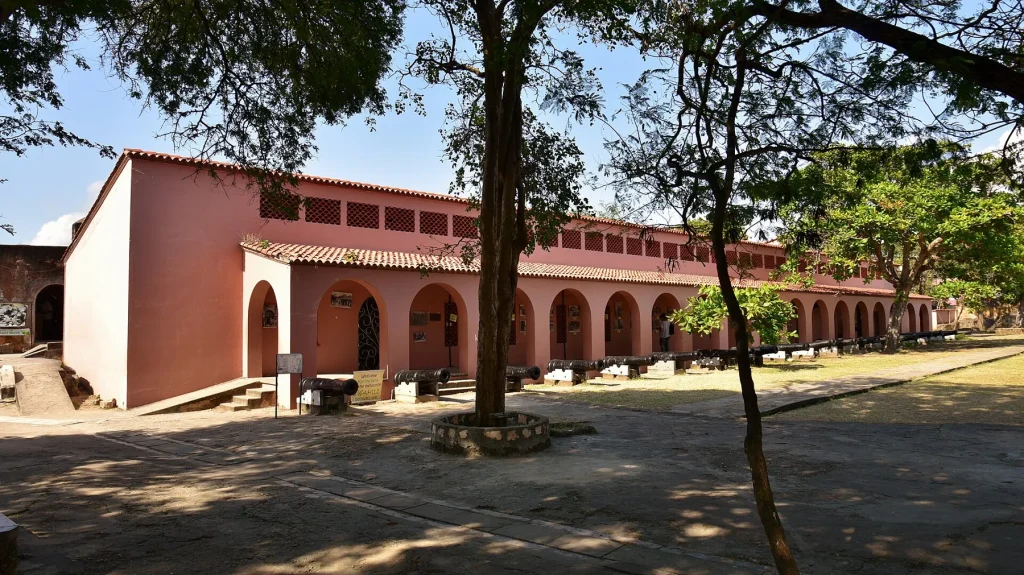
Gede Ruins & Arabuko Sokoke Forest Tour
Overview:This tour is a combination of two of the most significant cultural and ecological sites in Watamu. The Gede Ruins are the remnants of a 12th-century Swahili town, now an archaeological site that tells the story of a once-thriving civilization. Arabuko Sokoke Forest, the largest coastal forest in East Africa, is a biodiversity hotspot with endemic wildlife, including rare birds, golden-rumped elephant shrews, and butterflies.
Guided historical tour of Gede Ruins, exploring the ancient Swahili architecture.
Visit to the onsite museum showcasing artifacts from the medieval Swahili culture.
Nature walk in Arabuko Sokoke Forest to spot rare bird species and unique forest ecosystems.
Optional night tour to experience the nocturnal wildlife.
Pick-up: From Watamu Beach hotels at 7:30 AM.
Transfer: 15-minute drive to Gede Ruins, followed by a short drive to Arabuko Sokoke Forest.
Duration: Half-day (approx. 5 hours).
Inclusions: Entry fees, professional guide, bottled water, binoculars for birdwatching.
Drop-off: Return to the hotel around 12:30 PM.
Mida Creek Canoe Ride & Sunset Dhow Cruise
Overview:Mida Creek is a stunning tidal inlet lined with mangrove forests, providing a tranquil environment rich in birdlife and marine biodiversity. This excursion includes a traditional canoe ride through the mangroves, allowing for close encounters with nature, followed by a sunset dhow cruise offering breathtaking views of the coastal landscape.
Guided canoe ride through the mangroves with insights into the ecosystem.
Birdwatching opportunities with species such as flamingos, kingfishers, and ospreys.
Traditional Swahili dhow cruise at sunset, accompanied by local music.
Option to enjoy a seafood dinner onboard or at a local beach restaurant.
Pick-up: From Watamu Beach hotels at 3:30 PM.
Transfer: 10-minute drive to Mida Creek, where canoes and dhow are stationed.
Duration: 3.5 hours.
Inclusions: Canoe ride, dhow cruise, guide, light refreshments (or optional seafood dinner at extra cost).
Drop-off: Return to the hotel around 7:30 PM.
Bio-Ken Snake Park Visit
Overview:Bio-Ken Snake Park is a leading research center specializing in the study and conservation of East Africa’s reptiles, particularly venomous snakes. The visit provides an educational yet thrilling experience, offering insights into Kenya’s diverse snake species, anti-venom production, and the role of snakes in the ecosystem.
Guided tour of the reptile park with close encounters with various snake species.
Learn about snake handling, venom extraction, and anti-venom production.
Observe other reptiles such as lizards, tortoises, and chameleons.
Opportunity for a controlled, hands-on interaction with non-venomous snakes.
Pick-up: From Watamu Beach hotels at 10:00 AM.
Transfer: 5-minute drive to Bio-Ken Snake Park.
Duration: 1.5 hours.
Inclusions: Entry fees, guided tour, educational session.
Drop-off: Return to the hotel around 12:00 PM.
Scuba Diving & Kite Surfing
Overview:Watamu is a world-class destination for both scuba diving and kite surfing, offering pristine coral reefs, diverse marine life, and ideal wind conditions. Whether a beginner or experienced adventurer, these activities cater to all skill levels with certified instructors and top-notch equipment.
Scuba Diving: Explore vibrant coral reefs, sea turtles, rays, and reef sharks.
Kite Surfing: Experience thrilling rides over the turquoise waters of Watamu Beach.
Training available for beginners in both activities.
Professional PADI-certified diving instructors and experienced kite-surfing trainers.
Pick-up: From Watamu Beach hotels at 8:30 AM or 2:00 PM (depending on tide and wind conditions).
Transfer: Short walk or drive to the designated diving/kite surfing center.
Duration: Scuba diving (half-day: 4 hours); Kite surfing (2–3 hours per session).
Inclusions: Equipment rental, professional instruction, safety gear.
Drop-off: Return to the hotel after the session.
Wildlife, Ecology or Cultural Significance
Marine turtles, dolphins, reef fish, rare forest birds and endemic coastal species make Watamu especially strong for eco-travel.
Who This Destination Suits
This destination is especially well suited to Eco-travellers, Families, Divers, Birders, Couples and Culture + beach travellers.
Watamu Marine National Park & Reserve
Coral reefs and clear tropical waters form the core of Watamu’s marine experience.
Best used for: Snorkelling, diving, glass-bottom boat.
Mida Creek
A broad tidal inlet with mangroves, birdlife and beautiful sunset conditions.
Best used for: Canoe, dhow, birding, boardwalk.
Gede Ruins
The remains of a historic Swahili town hidden within coastal forest.
Best used for: Archaeology, guided history, photography.
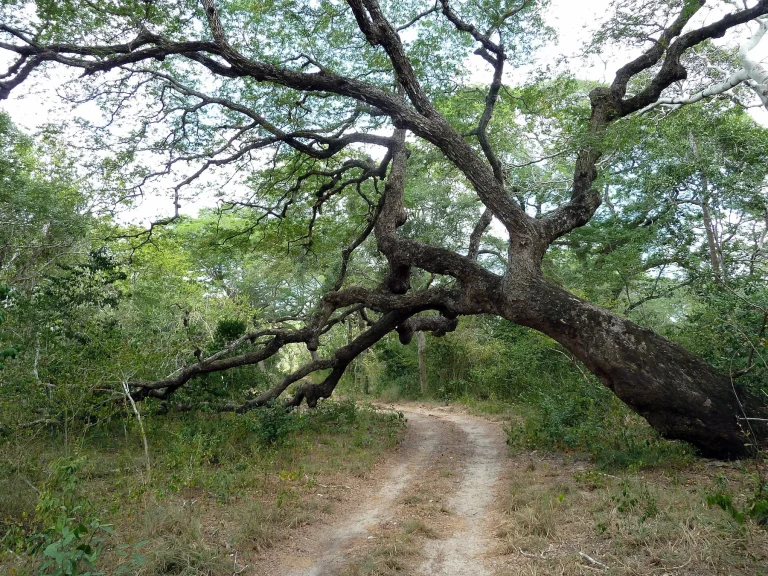
Arabuko-Sokoke Forest
One of East Africa’s most important surviving coastal forests and a major birding destination.
Best used for: Birding, forest walk, biodiversity.
Bio-Ken Snake Farm
A specialist reptile centre associated with snake research, education and responsible awareness.
Best used for: Reptile education, guided visit.
Landscape, Ecology & Sense of Place
Water, altitude, vegetation, soil, settlement patterns and protected-area boundaries influence what travellers see and how they move through Watamu. This is especially important for repeat Africa travellers, who often value ecological differences as much as individual species sightings.
Watamu Marine National Park & Reserve
MARINE PROTECTED AREA Coral reefs and clear tropical waters form the core of Watamu’s marine experience.
Mida Creek
TIDAL CREEK & MANGROVE ECOSYSTEM A broad tidal inlet with mangroves, birdlife and beautiful sunset conditions.
Gede Ruins
ARCHAEOLOGICAL SITE The remains of a historic Swahili town hidden within coastal forest.
Arabuko-Sokoke Forest
COASTAL FOREST RESERVE One of East Africa’s most important surviving coastal forests and a major birding destination.
Bio-Ken Snake Farm
CONSERVATION & EDUCATION A specialist reptile centre associated with snake research, education and responsible awareness.
Seasonality in Practice
Watamu may be excellent in more than one season for different reasons. Where migration, marine wildlife, road access or trekking conditions are genuinely seasonal, those changes should be described without guaranteeing exact dates.
How many nights should I spend in Watamu?
The right stay depends on whether this is a headline destination or a connector. A short visit can cover the defining experience, but an additional night usually improves flexibility, photography and comfort. The package routing and activity list should determine the final recommendation.
Is Watamu suitable for families?
Often yes, but family suitability depends on age restrictions, walking difficulty, drive length, boat conditions and the style of accommodation. Activities should be matched to the youngest traveller rather than assuming every adult safari programme works unchanged for children.
Do I need a private guide in Watamu?
Not always, but private guiding adds flexibility for photography, children, specialist birding, slower pacing and travellers who want to spend longer at particular sightings or cultural experiences.
What should I pack for Watamu?
Use the destination-specific packing advice rather than a universal safari list. Closed shoes, sun protection, layers and a reusable bottle are common basics; forest, mountain and marine destinations need additional rain, warmth or water-specific equipment.
Can wildlife or weather be guaranteed?
Wildlife moves freely and weather changes. Ethical travel planning explains probabilities and seasonal patterns without promising a crossing, predator hunt, primate behaviour, dolphin sighting, clear mountain view or dry trekking day.
How should Watamu be combined with other Elohim destinations?
Use the routing guidance already provided for Watamu and favour combinations that add a contrasting ecosystem without unnecessary backtracking. The best link is the one that improves the journey, not simply the one with the most famous name.