 Photo: Николай Максимович · CC BY 3.0 · resized for web
Arabuko-Sokoke Forest
One of East Africa's most important coastal forests and a specialist destination for birders and naturalists. The appeal is patient forest guiding, endemic or restricted-range species and biodiversity rather than large mammals.
Why go
One of East Africa’s most important coastal forests and a specialist destination for birders and naturalists. The appeal is patient forest guiding, endemic or restricted-range species and biodiversity rather than large mammals.
At a Glance
Destination type: Coastal forest and specialist biodiversity destination near Watamu. Suggested time: Half day for general nature travellers; dedicated birders may want repeated visits or a full day. Best for: Birders, naturalists, photographers, conservation travellers and repeat safari guests interested in ecosystems beyond big mammals.
Why This Place Matters
Arabuko-Sokoke replaces the bright openness of the beach with shade, leaf litter, bird calls and patient observation. It is not a conventional big-game stop; its value lies in one of East Africa’s most important surviving coastal-forest ecosystems.
The forest supports rare and restricted-range birds, butterflies, plants and mammals adapted to coastal forest. Specialist guiding is particularly valuable because many species are detected first by sound or subtle movement rather than obvious sightings.
Access, Timing & Suggested Stay
Reached easily from Watamu or Malindi by road. Early morning starts are recommended for serious birding.
Half day for general nature travellers; dedicated birders may want repeated visits or a full day.
Who Will Enjoy It Most
Birders, naturalists, photographers, conservation travellers and repeat safari guests interested in ecosystems beyond big mammals.
Seasonality & Conditions
Birding interest changes with breeding and migrant seasons, while rain influences forest activity and trail conditions. The forest can be visited year-round with appropriate expectations.
How It Fits into an Elohim Journey
The strongest combinations are Watamu, Mida Creek, Gede Ruins and Malindi. The route should minimise unnecessary backtracking and leave enough time for the defining experience rather than compressing the stop into a transfer day.
What combines well with Arabuko-Sokoke Forest?
Watamu, Mida Creek, Gede Ruins and Malindi.
A closer look
Arabuko-Sokoke is a coastal forest experience for travellers who enjoy the less obvious side of Kenya’s shoreline. Instead of the wide view of a beach or savannah, the visit focuses on forest structure, birds, butterflies and the small shifts in sound and light under the canopy. Specialist guiding is especially valuable for birders, while a general natural-history walk can be rewarding without a long species list. Wildlife is difficult to predict in forest habitat, so expectations should favour observation over guarantees.
A forest visit can be paired with Watamu, Mida Creek or Gede to make a varied coastal day. Early starts may be more comfortable for walking and bird activity, but the practical route depends on access conditions and guide availability. Carry water, wear closed shoes and follow the designated paths. The forest has ecological and community value that deserves more attention than a quick photo stop; time spent listening and learning helps distinguish it from a routine transfer excursion.
Make the most of the visit
Forest travel asks for different expectations from a game drive. Species may be heard before they are seen, and a guide’s knowledge of calls, tracks and vegetation becomes central. A specialist birding visit can focus on particular habitats, while a general walk can explore the forest’s structure and its place in Kenya’s coastal landscape.
Early hours may bring more bird activity and cooler walking, but access and guiding should be confirmed locally. Carry water, stay on agreed paths and accept that dense vegetation limits photography. A visit works well beside Mida Creek or Gede because the three places show wetland, forest and heritage within a compact coastal region without pretending they are the same experience.
Explore nearby
These guides can help build a route with contrasting places and a sensible travel rhythm. The right combination depends on available time and local conditions.
Watamu
Marine biodiversity, mangrove creeks and one of Kenya’s richest concentrations of coastal nature and heritage.
Mida Creek
A tidal mangrove creek near Watamu where canoe or dhow excursions reveal mudflats, channels, birdlife and the ecological side of the coast. Sunset outings are especially atmospheric and pair well with a broader Watamu stay.
Gede Ruins
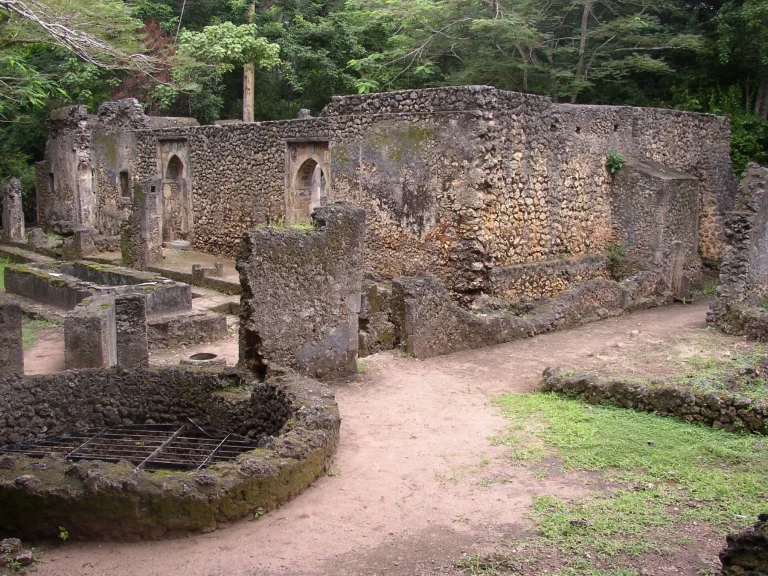
A major Swahili archaeological site near Watamu. Coral-stone houses, mosques, tombs and forest setting help explain the long Indian Ocean trading history of the coast and deserve a guided cultural visit rather than a short photo stop.
Responsible Travel Notes
Experiences at Arabuko-Sokoke Forest should follow current protected-area, community or heritage-site rules. Wildlife must be given space, guides should never pressure animals for photographs, cultural encounters should create direct local benefit, and marine or forest activities should minimise physical impact. Fees, access rules and operating times are best confirmed during quotation because they can change.
Can every wildlife sighting or activity be guaranteed?
Wildlife movement, weather, sea or trail conditions and local operating rules can change. The itinerary should protect enough flexibility to deliver the strongest experience available on the day rather than promise a specific natural event.
A forest visit for different interests
Birdwatchers can discuss target species with a specialist guide before arrival, while first-time forest visitors may prefer a broader walk focused on sounds, plants and the relationships between habitats. Nature Kenya identifies Arabuko-Sokoke as an important refuge for rare birds and mammals, including the golden-rumped sengi. A quiet walk can be rewarding even when a particular species stays hidden. Binoculars help more than trying to get close to wildlife.
Keep your group together and allow the guide to set a pace suited to listening and observation. Closed footwear, water and a way to protect equipment from rain make the outing easier. Tell the guide if you would rather have a shorter loop or more time in one habitat. Combining forest and beach time works well when you leave space for a shower, meal and rest between them; a wildlife walk is an experience in its own right, not just a stop on the way elsewhere.